
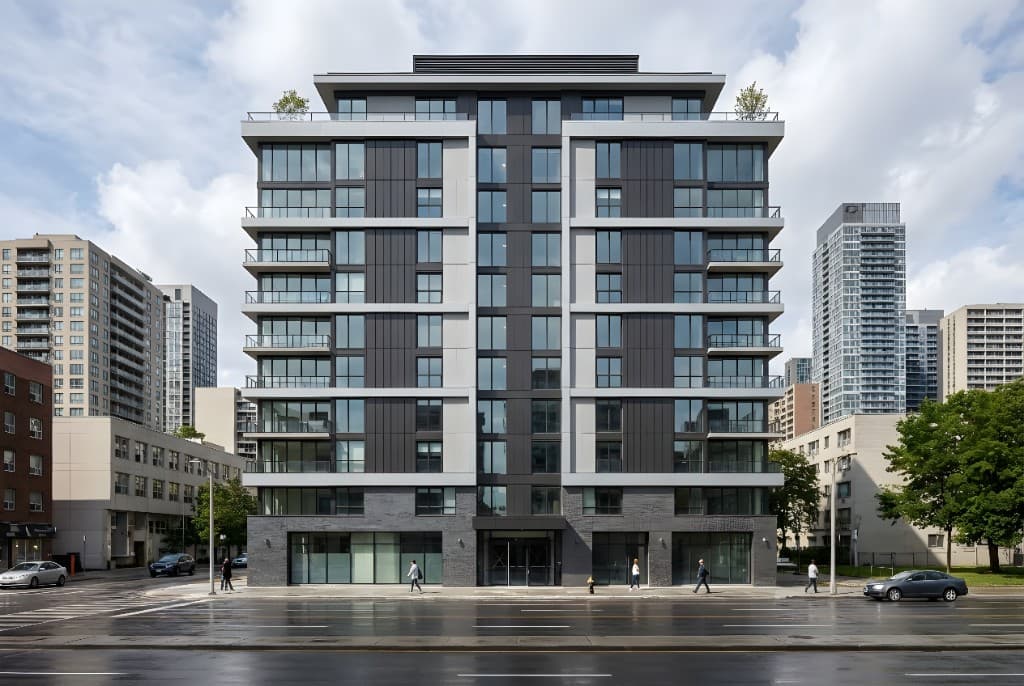
The architectural and design industries are on the cusp of a profound transformation, driven by the rapid advancements in Artificial Intelligence. What was once a time-consuming and labor-intensive process, architectural rendering is now being revolutionized by AI, promising unprecedented efficiency, creativity, and realism.
This shift is not merely an incremental improvement; it represents a fundamental change in how designs are visualized, presented, and ultimately brought to life. From initial concept to final presentation, AI is reshaping every aspect of the architectural visualization workflow.
The Dawn of Intelligent Visualization
Historically, creating photorealistic architectural renderings required specialized skills, powerful hardware, and significant time investment. Architects and designers often faced bottlenecks in visualizing their concepts, leading to slower iteration cycles and increased project costs. AI is dismantling these barriers, making high-quality visualization more accessible and dynamic than ever before.
AI-powered rendering tools can interpret complex CAD designs, sketches, and even simple textual prompts to generate sophisticated visuals. This capability accelerates the design process, allowing for rapid prototyping and exploration of multiple design options. The future of architectural rendering is intelligent, adaptive, and deeply integrated into every stage of design.
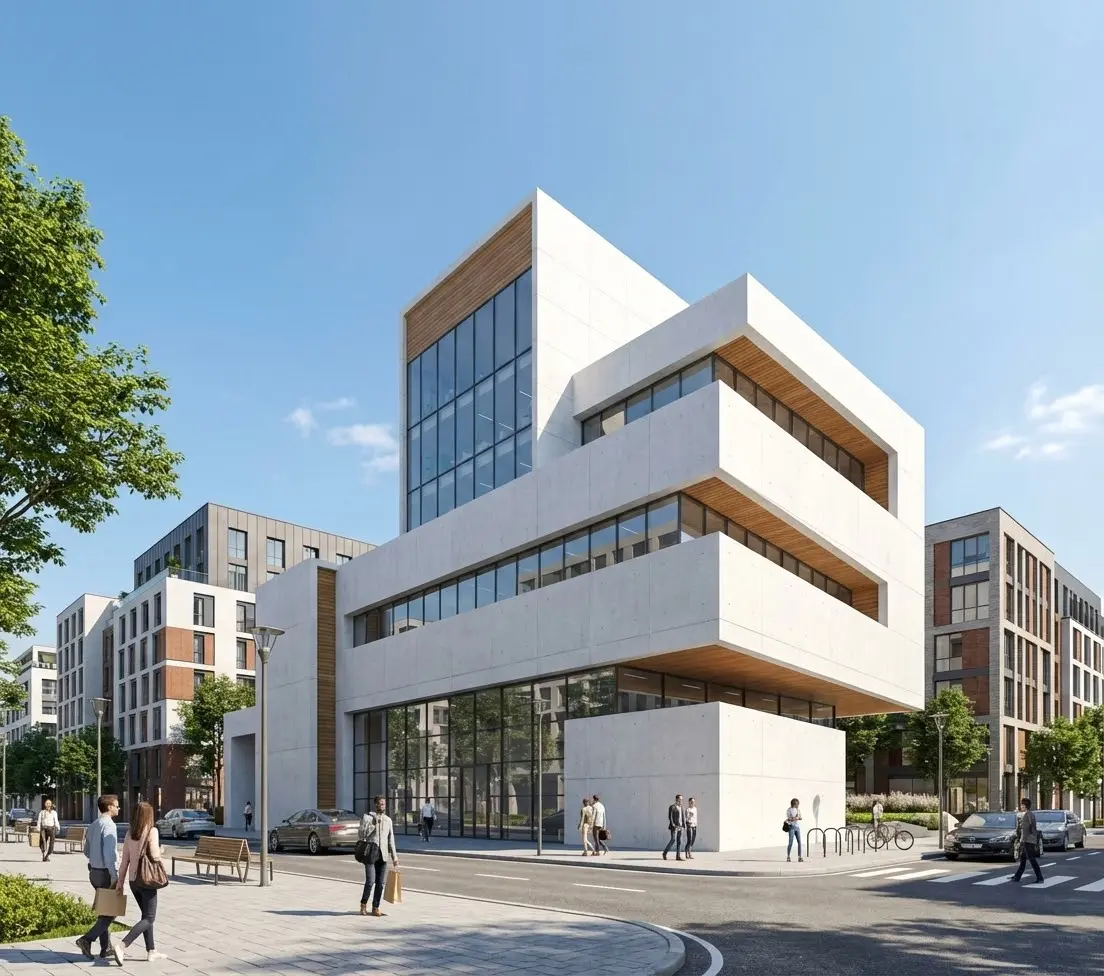
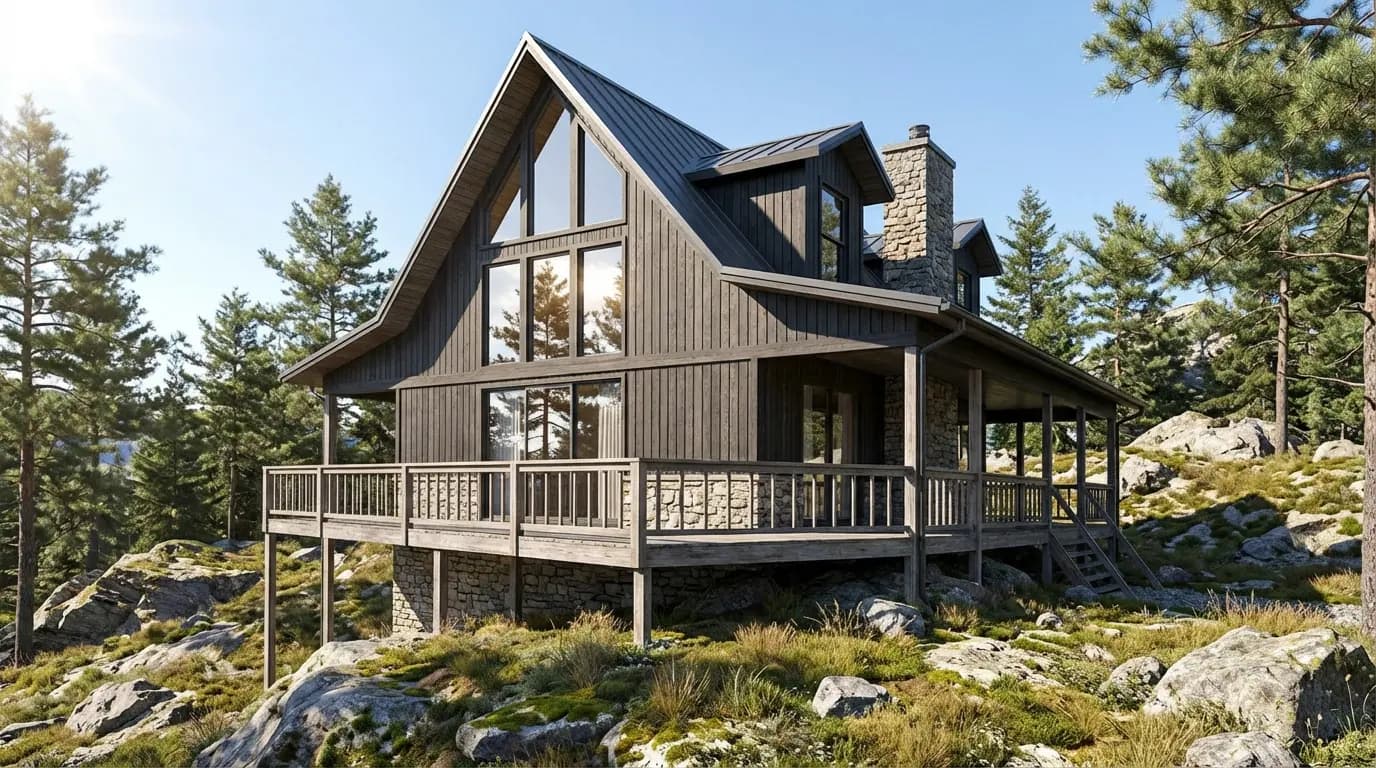
AI enables instant exploration of multiple architectural styles and design variations
Key Trends Shaping the Future
Several key trends are defining the trajectory of AI in architectural rendering:
1. Hyper-Realistic and Immersive Experiences
AI is pushing the boundaries of realism, creating renderings that are virtually indistinguishable from photographs. Beyond static images, AI is enabling the creation of immersive experiences, such as cinematic walkthrough videos and interactive virtual environments.
This allows clients to not just see a design, but to truly experience it before construction even begins. The emotional connection created by seeing a space come to life in motion—with realistic lighting changes, atmospheric effects, and smooth camera movements—is invaluable for securing project approval and client buy-in.
Platforms like Rendershop are at the forefront of this trend, offering features like Video creation that transform static renders into dynamic, engaging visual narratives. Imagine presenting a property tour that feels like walking through the finished building, all generated from a single render in minutes.
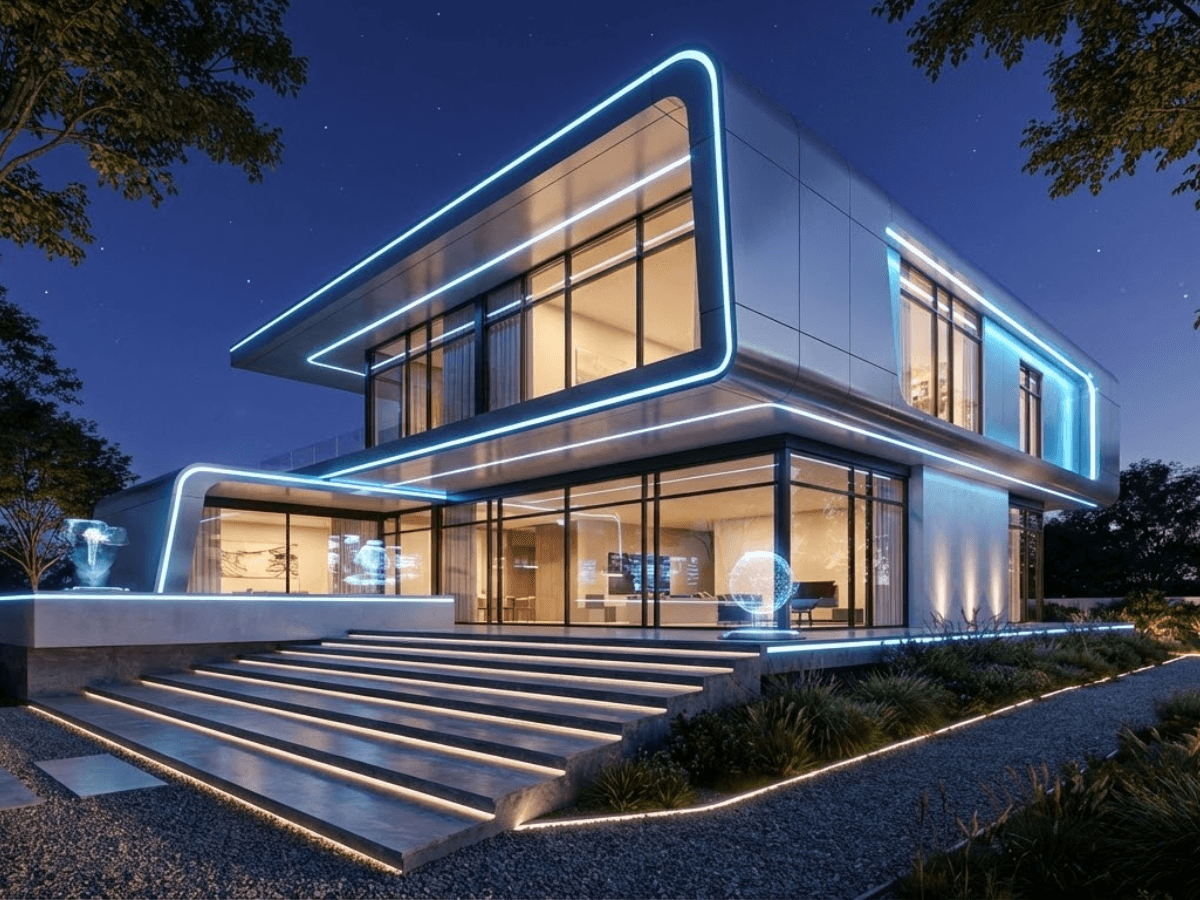
Transform static renders into immersive cinematic experiences
2. Accelerated Design Iteration and Optimization
One of the most significant impacts of AI is the acceleration of the design iteration process. AI can quickly generate multiple design variations, analyze their performance against various parameters (e.g., lighting, material usage, structural integrity), and even suggest optimizations.
This empowers architects to explore a broader range of creative solutions in a fraction of the time. What once took days or weeks of rendering time can now be accomplished in minutes. Design reviews become more productive when teams can see multiple options side-by-side, each rendered to photorealistic quality.
Rendershop exemplifies this by allowing users to Render CAD designs, sketches, and elevations in seconds, and then Edit and Enhance them with powerful AI tools, facilitating rapid design refinement. The ability to make changes and see results immediately transforms the creative process.
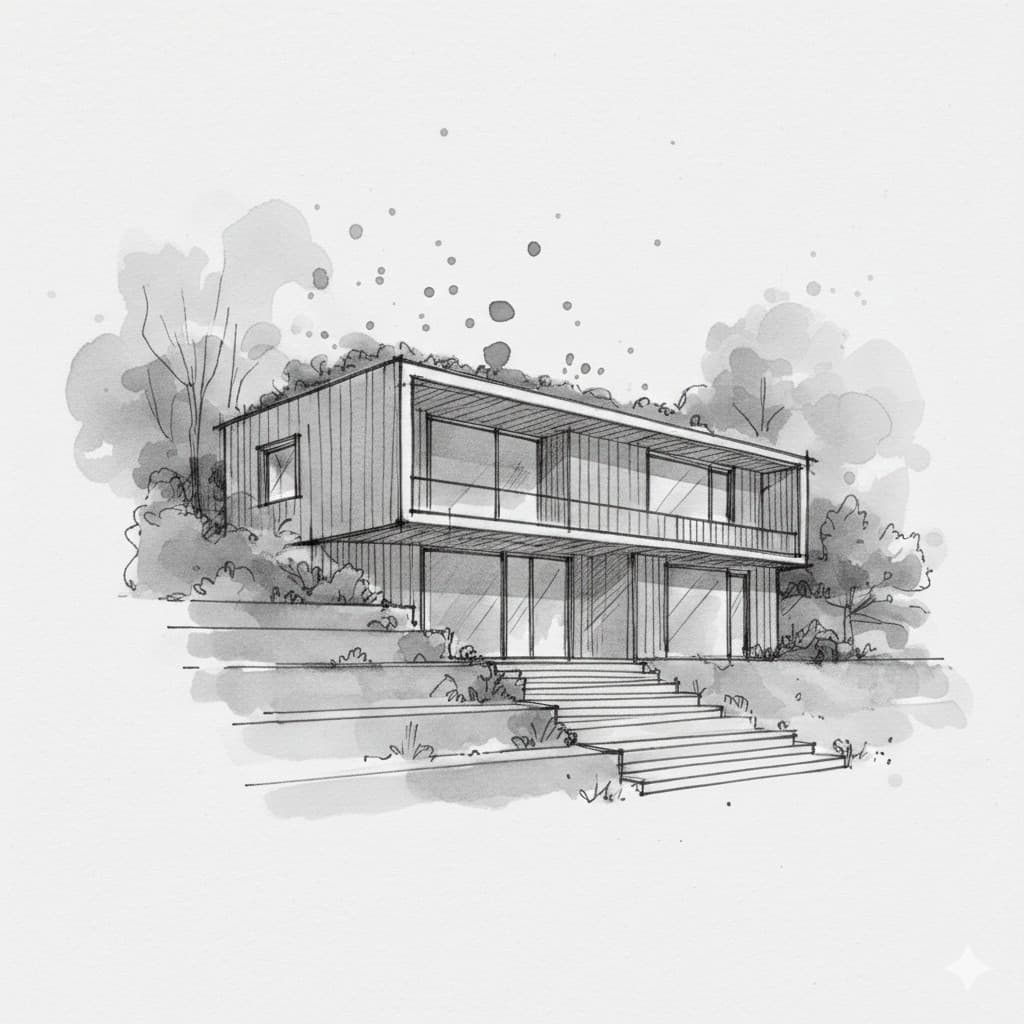
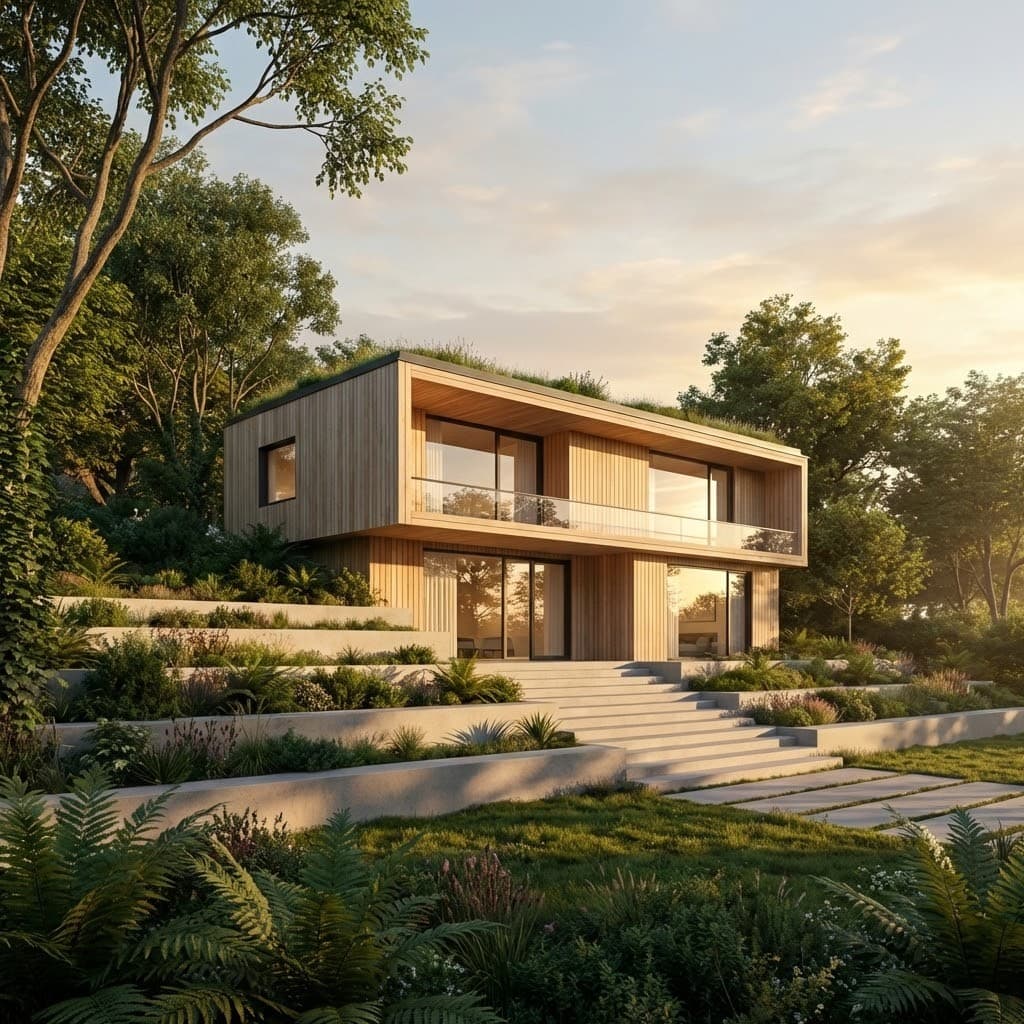
From concept sketch to photorealistic render in under a minute
3. Smart Editing and Personalization
AI is making rendering tools smarter and more intuitive. Instead of manual adjustments, designers can use AI to perform precise edits, retexture surfaces, add or remove objects, and even virtually stage empty spaces. This level of intelligent editing significantly reduces post-rendering work.
Natural language processing enables designers to describe changes in plain English: "change the brick facade to glass curtain wall" or "add landscaping with native plants"—and watch the AI make those exact modifications while preserving everything else. This conversational approach to editing democratizes advanced visualization capabilities.
Rendershop excels here with its Edit tool, enabling precise modifications with markup points, and its Staging feature, which allows for virtual furnishing and decoration of spaces with realistic furniture, showcasing the power of personalized visualization.
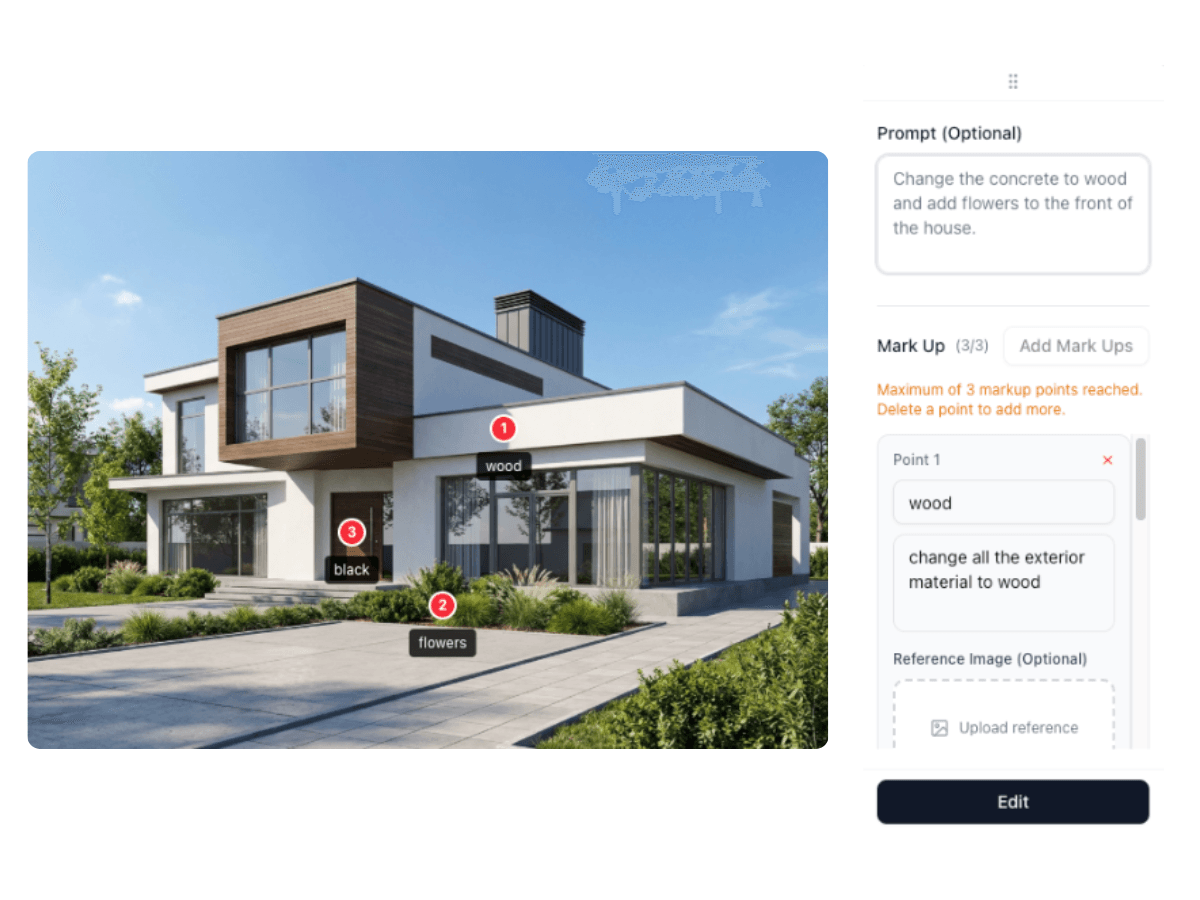
Mark specific elements and describe changes—AI handles the rest
4. Enhanced Accessibility and Democratization of High-Quality Rendering
Previously, high-quality rendering was often the domain of large firms with extensive resources. AI is democratizing access to these capabilities, making sophisticated visualization tools available to a wider audience, including independent designers, architecture students, and smaller studios.
User-friendly platforms that abstract away technical complexities are key to this trend. No longer do you need to understand complex lighting setups, material nodes, or rendering engines. AI handles the technical heavy lifting, allowing designers to focus on what they do best—designing.
Rendershop is an excellent example of a platform that simplifies the rendering process, making professional-grade AI rendering accessible to everyone. With an intuitive interface and intelligent defaults, even those new to 3D visualization can create stunning renders that rival work from specialized rendering studios.
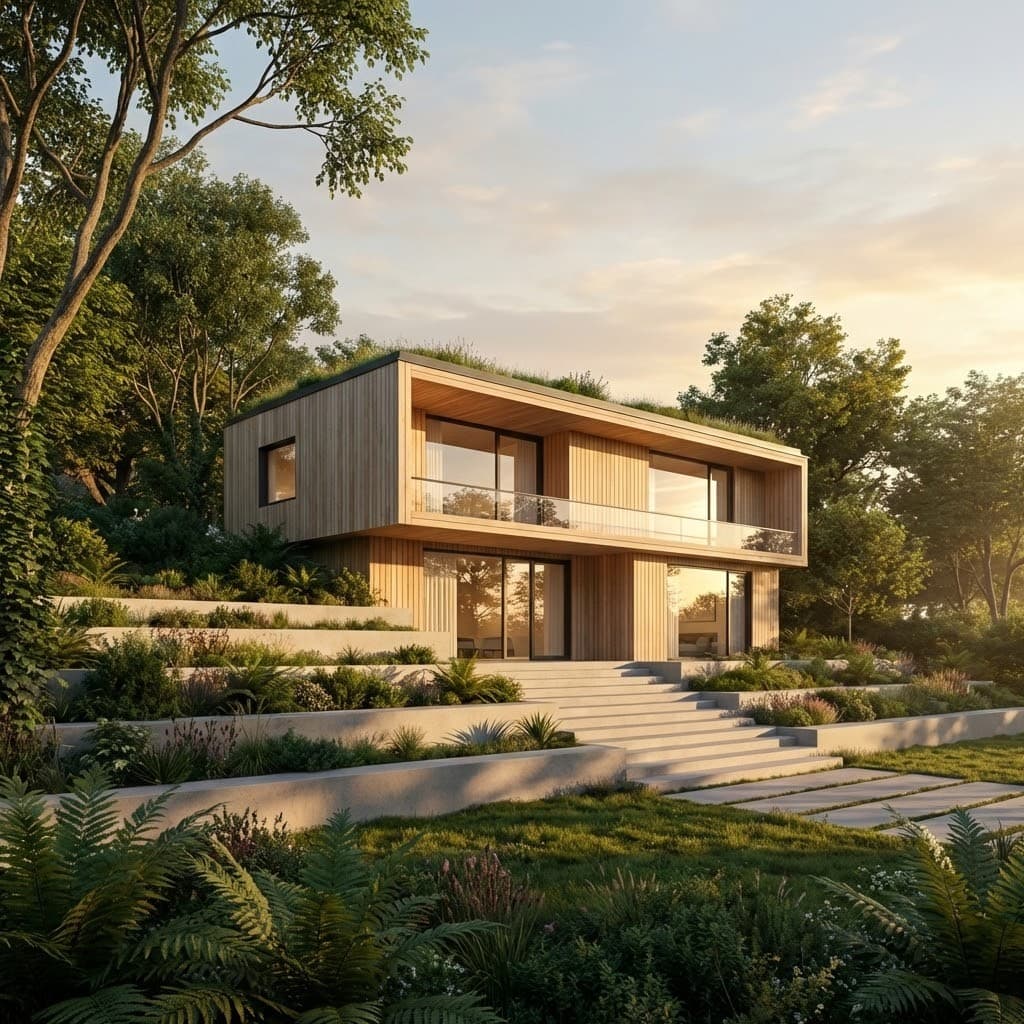
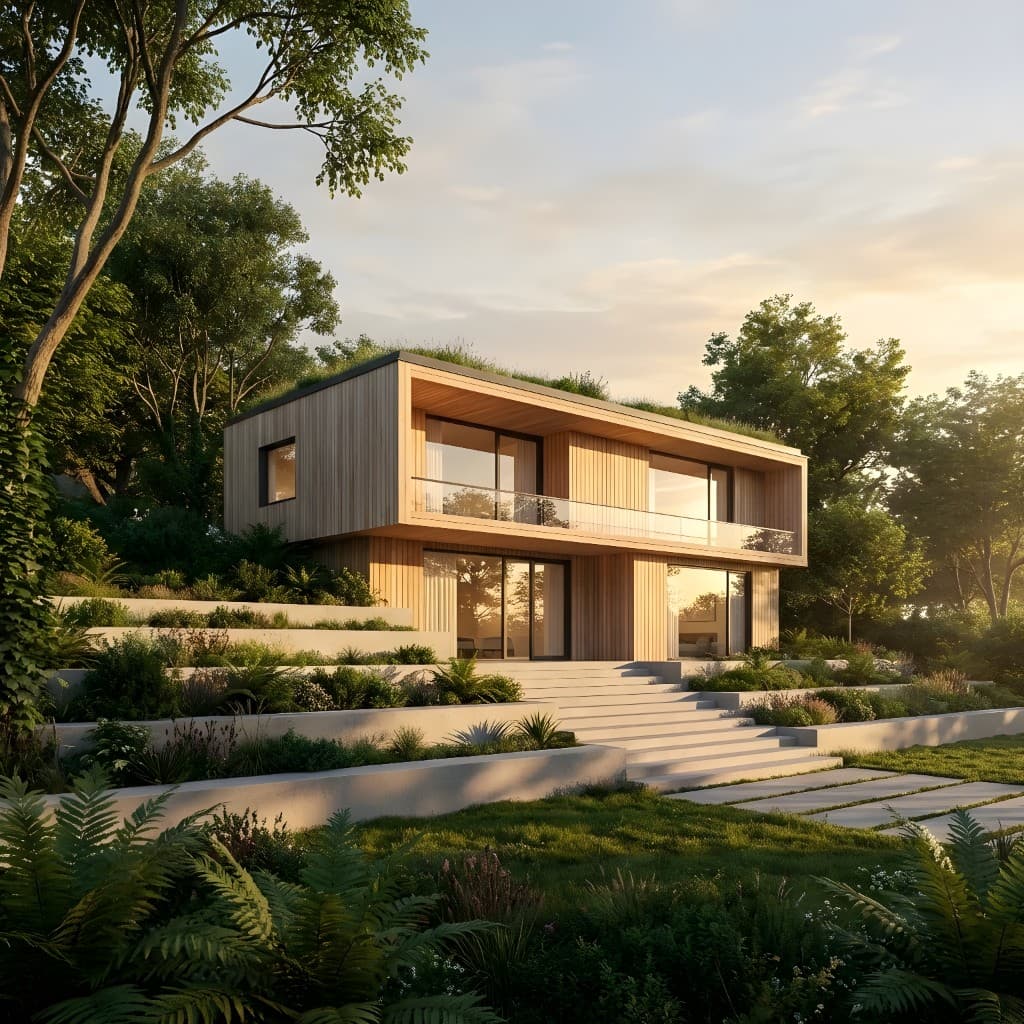
AI enhancement improves resolution, lighting, and fine details automatically
5. Integration with Broader AI Ecosystems
The future will see AI rendering tools becoming more deeply integrated with other AI-powered design and construction platforms. This will create a seamless workflow from conceptualization to construction, with AI assisting in everything from generative design to project management.
Imagine a workflow where AI helps you generate design options, automatically renders each variation, receives client feedback through sentiment analysis, makes adjustments based on that feedback, and produces final construction documentation—all with minimal manual intervention.
The capabilities offered by Rendershop—from initial Render to Edit, Enhance, Staging, and Video—demonstrate a comprehensive approach to integrating AI across various visualization needs. This holistic integration is a preview of how AI will eventually touch every aspect of the design and construction process.
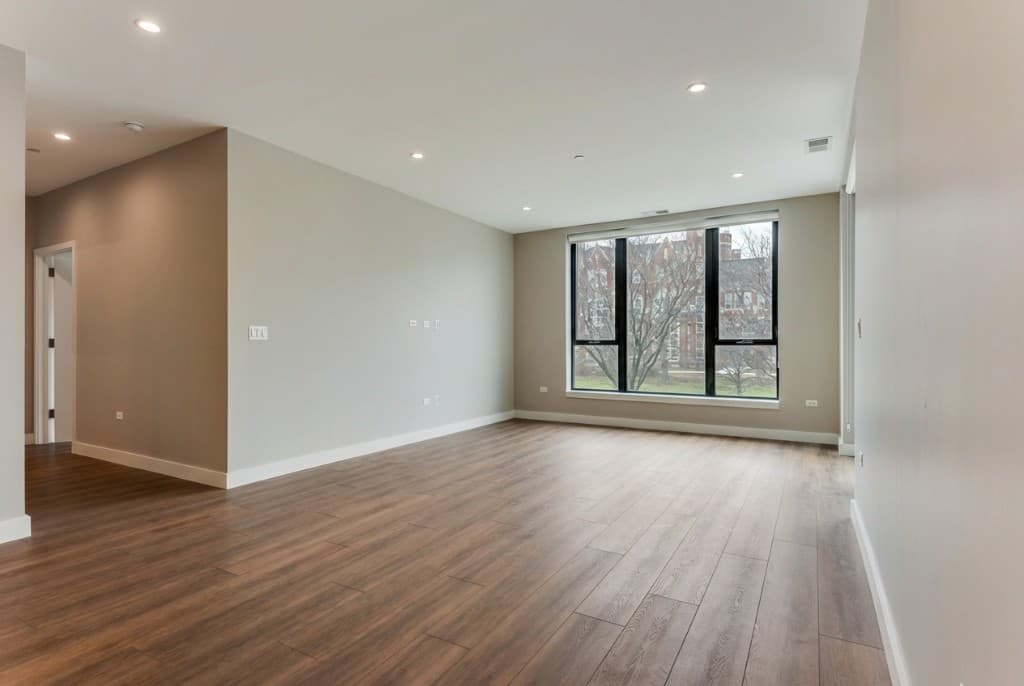
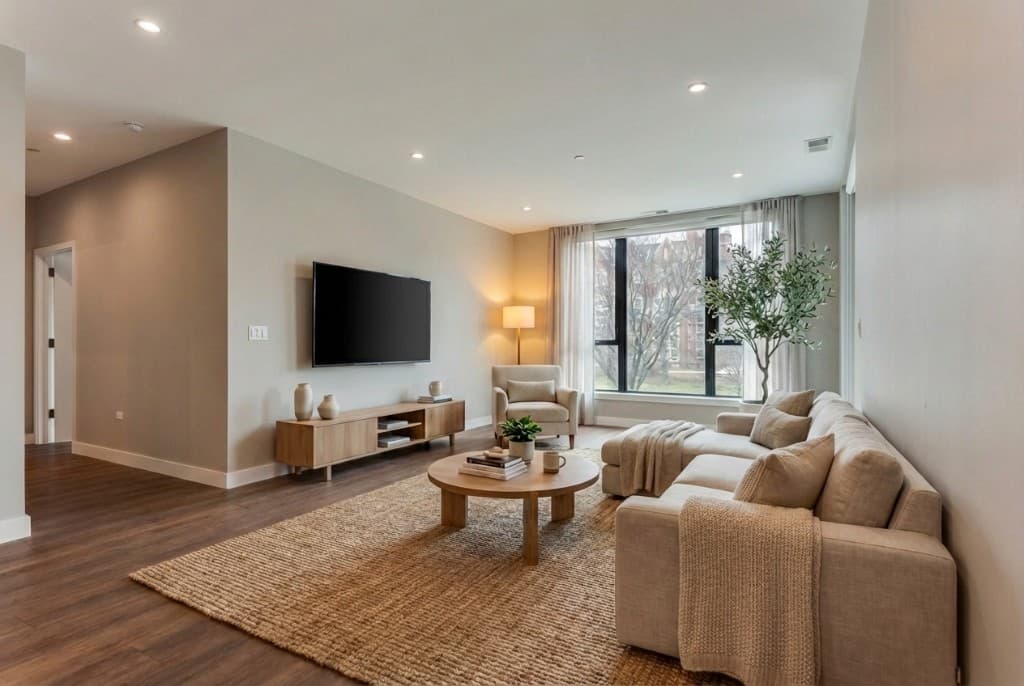
Virtual staging makes properties more appealing to potential buyers
Rendershop: Leading the Charge in AI Architectural Rendering
Rendershop stands out as a prime example of how AI is revolutionizing architectural visualization. Its suite of tools provides a comprehensive solution for modern architects and designers:
- R
Render
Quickly visualize CAD designs, sketches, and elevations with AI-powered precision.
- E
Edit
Retexture surfaces, add or remove objects, and selectively enhance renders with intelligent markup points.
- +
Enhance
Improve resolution, lighting, and realism in existing renders, breathing new life into designs.
- S
Staging
Virtually furnish and decorate empty spaces, offering realistic previews for clients.
- V
Video
Create captivating cinematic walkthroughs, transforming static images into immersive experiences.
These features collectively position Rendershop as an indispensable tool for anyone looking to harness the power of AI for architectural rendering. Its focus on ease of use, combined with powerful AI capabilities, makes it an excellent choice for professionals seeking to elevate their visualization game.

Create portfolio-quality renders that showcase your design vision
Conclusion: The AI Revolution is Here
The future of AI in architecture rendering is bright, promising a landscape where creativity is amplified, workflows are streamlined, and visualizations are more realistic and immersive than ever before. Tools like Rendershop are not just adapting to this future; they are actively shaping it, providing designers with the cutting-edge technology needed to bring their most ambitious visions to life.
As AI continues to evolve, we can expect even more sophisticated and integrated solutions that will further blur the lines between imagination and reality in architectural design. The question is no longer whether AI will transform architectural rendering—it's how quickly you'll adopt these tools to stay competitive.
For architects, designers, and visualization professionals, the message is clear: embrace AI-powered tools now, or risk being left behind in an industry that's moving faster than ever.