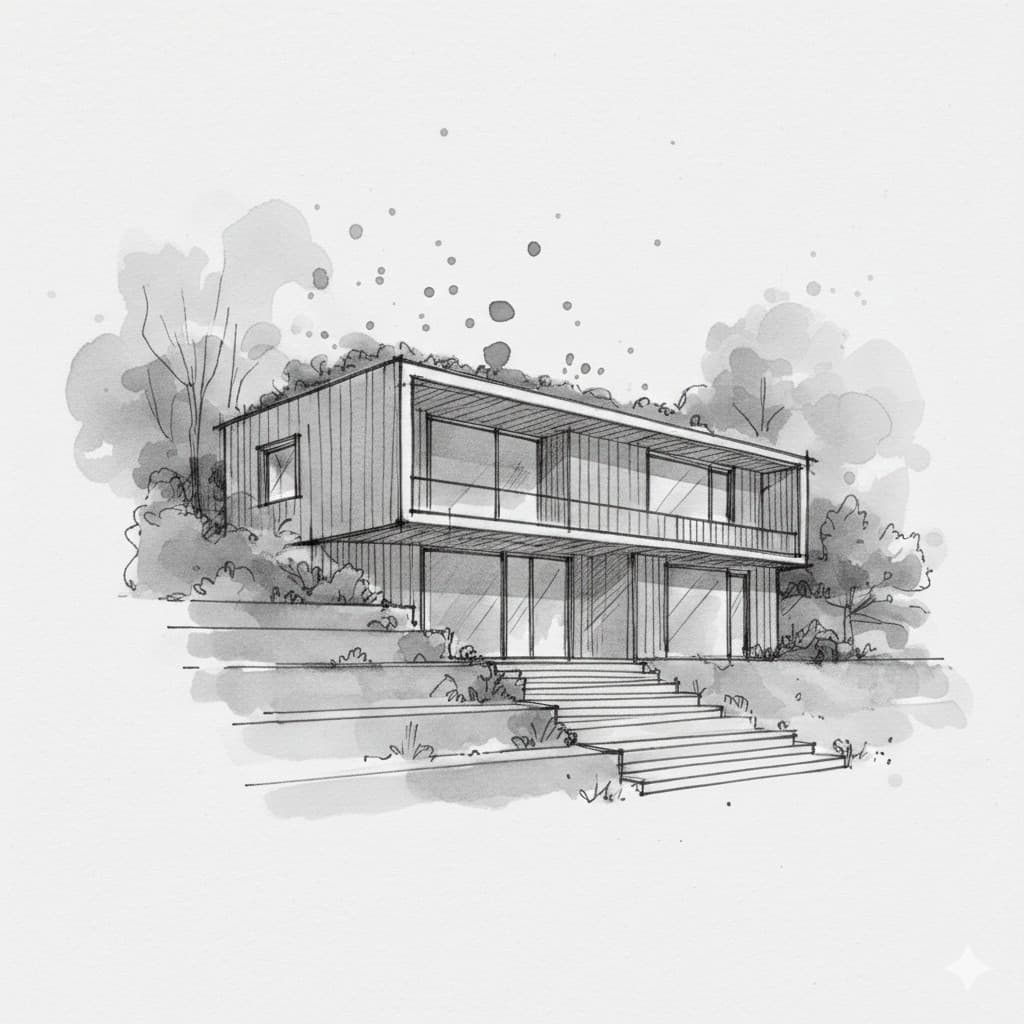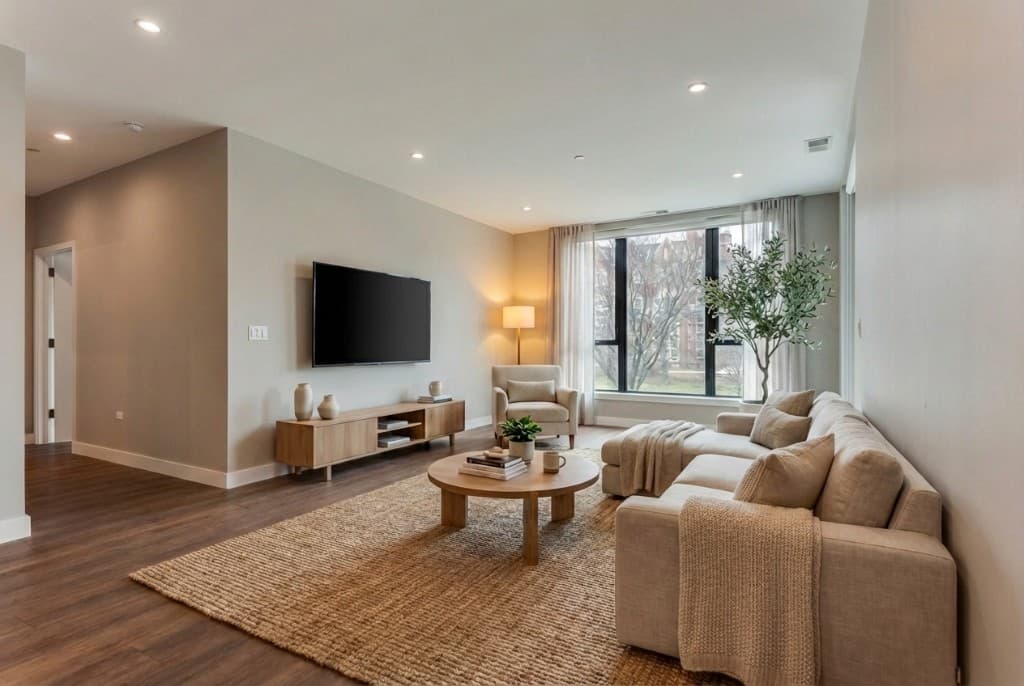
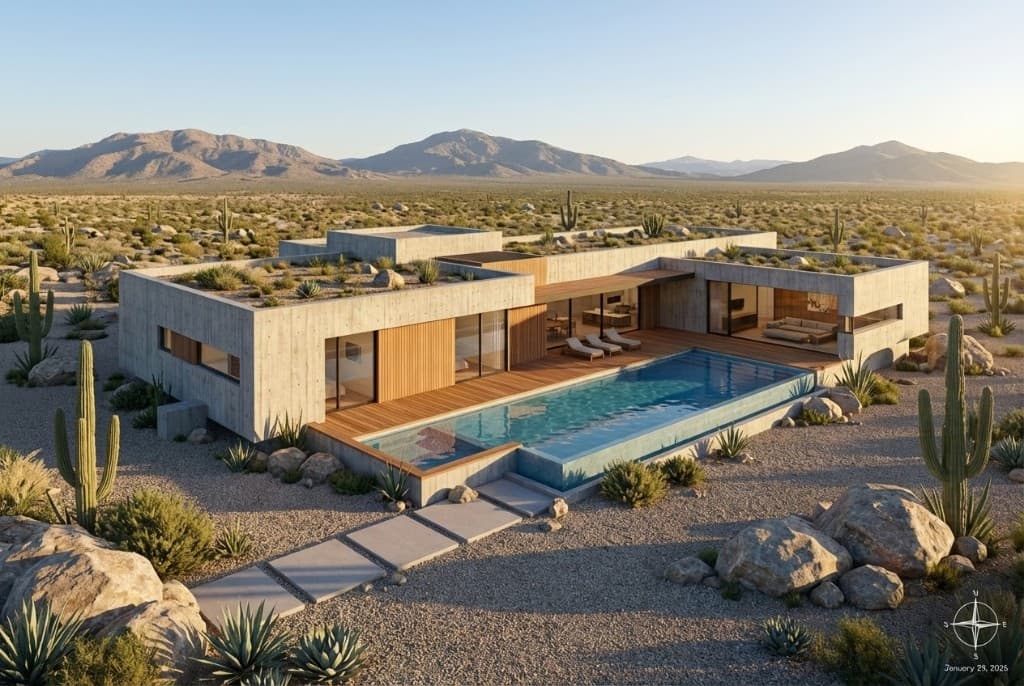
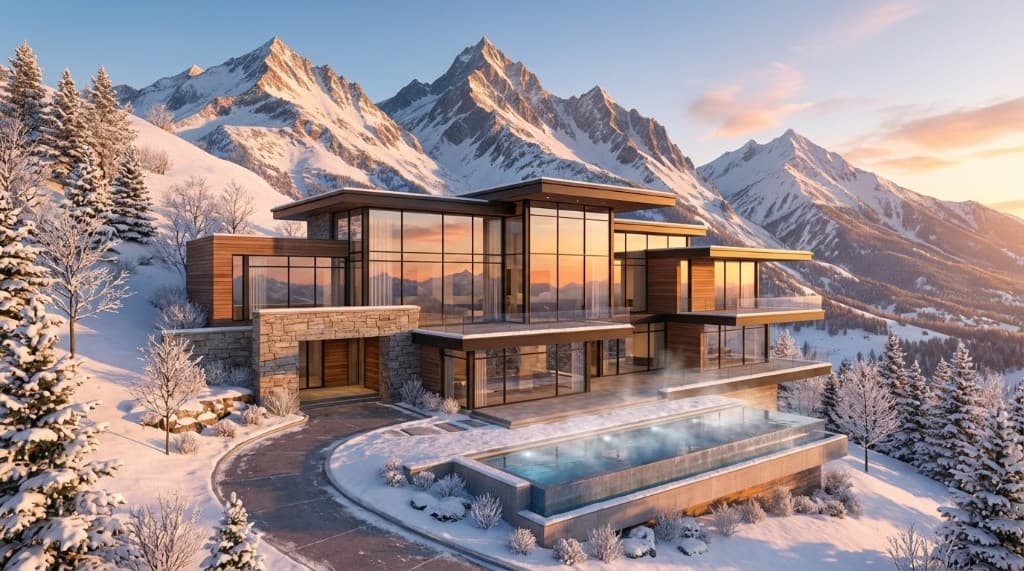
Architecture is more than just buildings—it's a visual language that communicates culture, values, and aspirations. Each architectural style carries its own vocabulary of forms, materials, and spatial relationships that create distinct emotional responses and functional outcomes.
Whether you're designing a new home, renovating an existing space, or creating architectural visualizations, understanding these styles helps you make informed decisions and communicate effectively with clients. In this guide, we'll explore the most popular architectural styles, their defining characteristics, and how to render them effectively using AI tools like Rendershop.
In This Guide:
1. Modern Architecture
Modern architecture emerged in the early 20th century as a rejection of ornate historical styles. Pioneered by architects like Le Corbusier, Ludwig Mies van der Rohe, and Frank Lloyd Wright, it emphasizes function over form and celebrates the honest expression of materials.
Key Characteristics:
- Clean lines: Horizontal and vertical lines dominate, with minimal curves
- Open floor plans: Flowing spaces without traditional room divisions
- Large windows: Floor-to-ceiling glass connecting interior and exterior
- Flat or low-pitched roofs: Often with extended overhangs
- Industrial materials: Concrete, steel, and glass prominently featured
- Minimal ornamentation: "Form follows function" philosophy
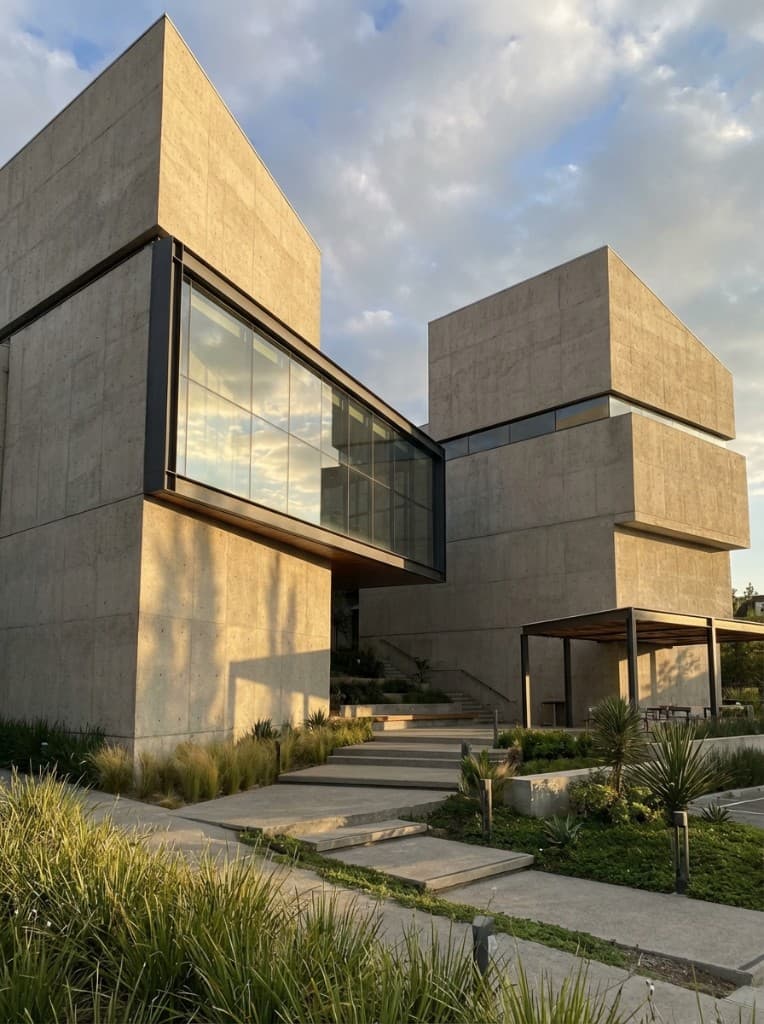
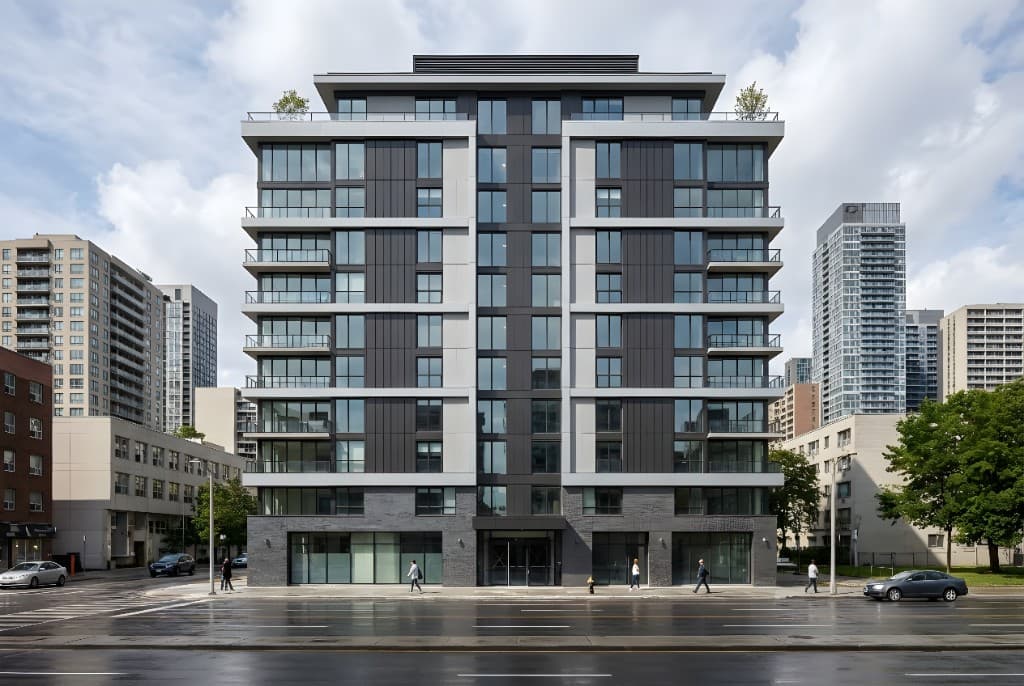
Modern architecture emphasizes clean lines, industrial materials, and minimal ornamentation
Rendering Tips:
When rendering modern architecture, emphasize the interplay of light and shadow on clean surfaces. Use neutral color palettes with occasional bold accents. Highlight the transparency of glass and the texture of concrete or steel.
2. Contemporary Architecture
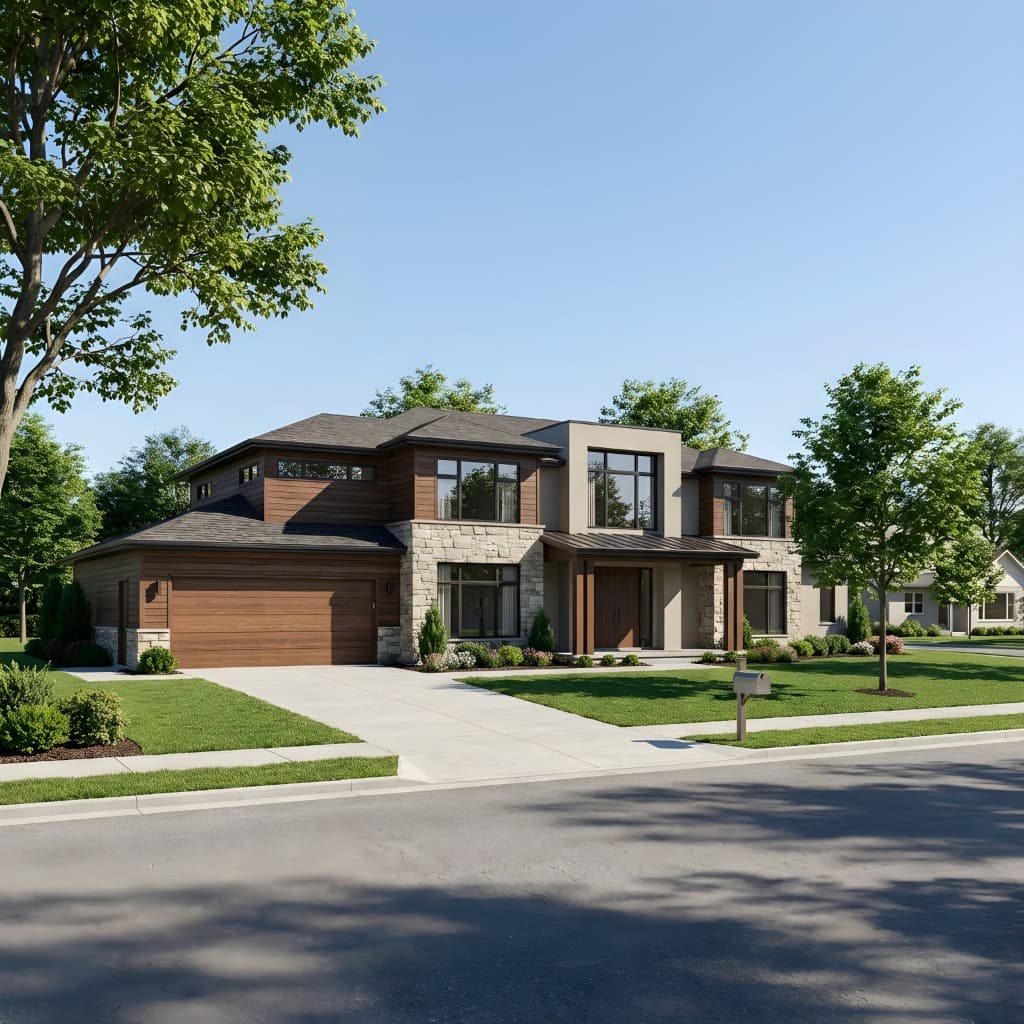
Often confused with modern architecture, contemporary style refers to what's being built right now—it's ever-evolving. Contemporary architecture borrows from multiple styles while incorporating current trends, sustainable practices, and cutting-edge technology.
Key Characteristics:
- Fluid forms: Curved lines and organic shapes alongside geometric forms
- Sustainable features: Green roofs, solar panels, and eco-friendly materials
- Mixed materials: Combinations of wood, metal, glass, and stone
- Indoor-outdoor living: Seamless transitions between spaces
- Smart home integration: Technology-forward design
- Asymmetrical facades: Dynamic, visually interesting exteriors
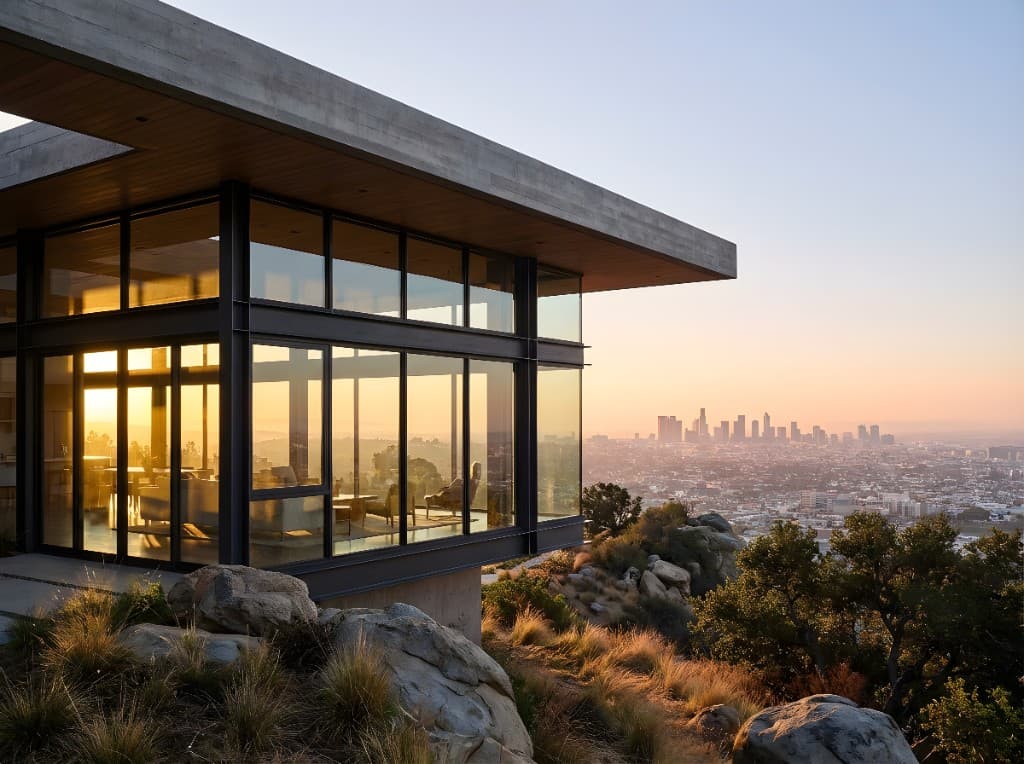
Contemporary architecture embraces innovation and seamless indoor-outdoor connections
3. Scandinavian Design
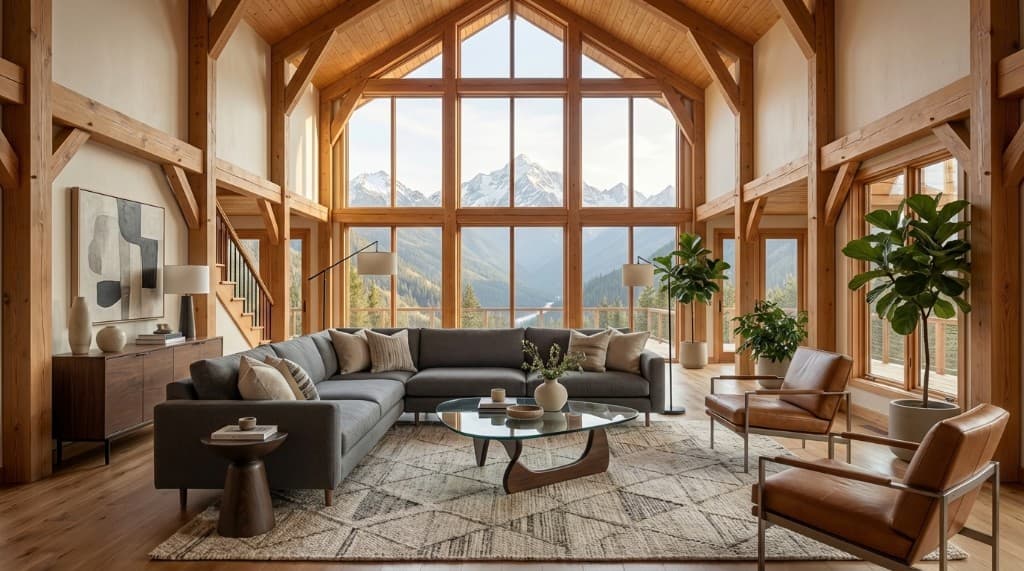
Born from the Nordic countries' harsh winters and limited daylight, Scandinavian design prioritizes functionality, simplicity, and connection to nature. It creates warm, inviting spaces that maximize natural light while maintaining a sense of calm and order.
Key Characteristics:
- Light color palettes: Whites, creams, and soft grays dominate
- Natural materials: Light woods (birch, pine, ash), wool, linen
- Functional furniture: Clean-lined, practical pieces with timeless appeal
- Hygge elements: Cozy textiles, candles, and warm lighting
- Minimal clutter: Everything has a purpose and place
- Nature connections: Plants, natural textures, and views to outdoors
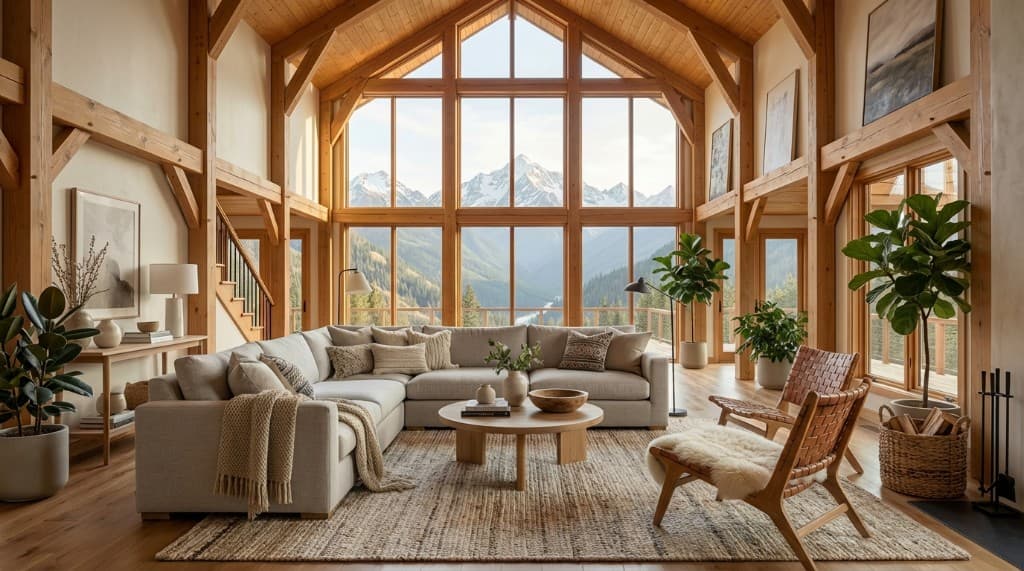
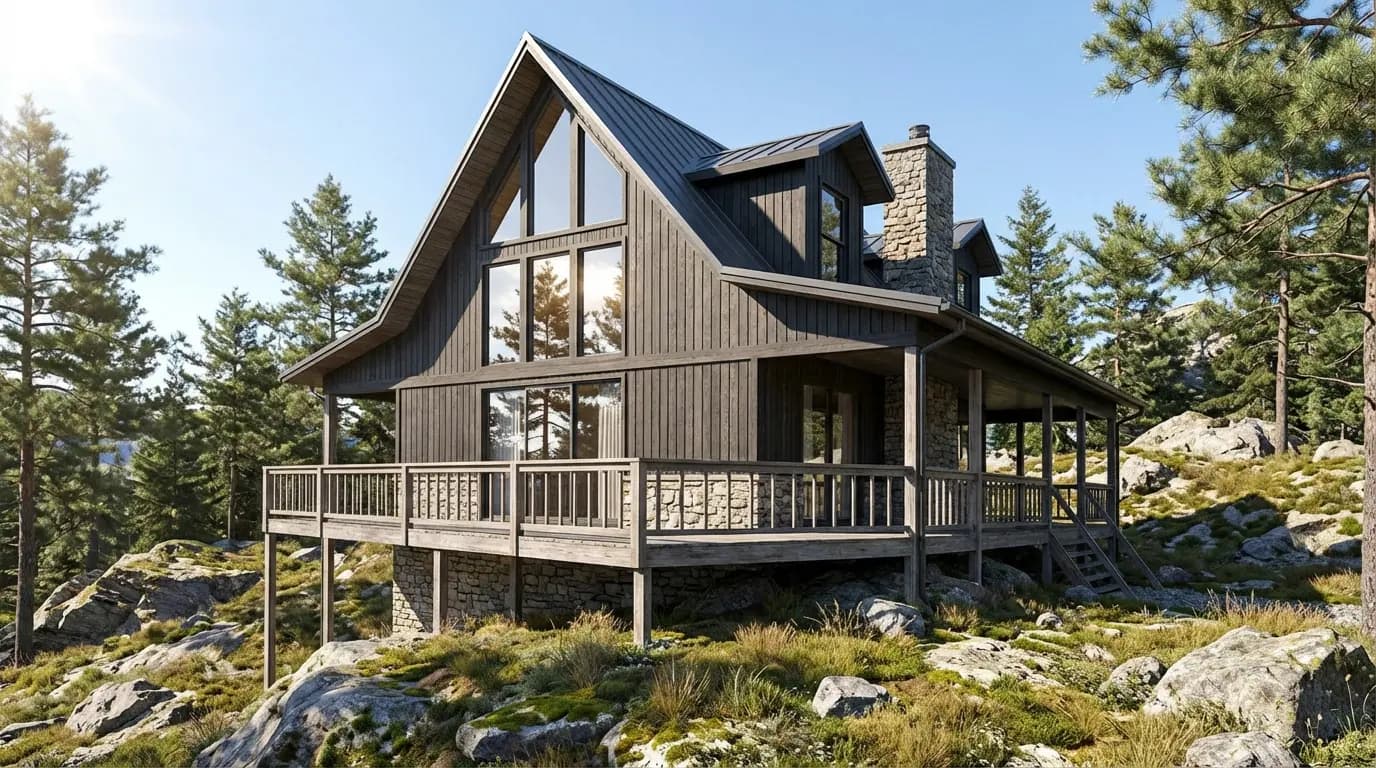
Scandinavian design balances minimalism with warmth through natural materials and soft textures
Rendering Tips:
For Scandinavian renders, focus on soft, diffused natural light streaming through large windows. Use a muted color palette with warm wood tones as accents. Include cozy textiles and greenery to add life without clutter.
4. Mediterranean Style
Inspired by the coastal regions of Spain, Italy, and Greece, Mediterranean architecture evokes warmth, relaxation, and old-world charm. It's designed for warm climates, with features that provide shade and encourage outdoor living.
Key Characteristics:
- Stucco exteriors: Textured walls in warm earth tones
- Terracotta roof tiles: Distinctive red-orange clay tiles
- Arched openings: Doorways, windows, and covered walkways
- Courtyards: Central outdoor spaces with fountains or gardens
- Wrought iron details: Balconies, railings, and decorative elements
- Tile work: Colorful ceramic tiles in kitchens and bathrooms
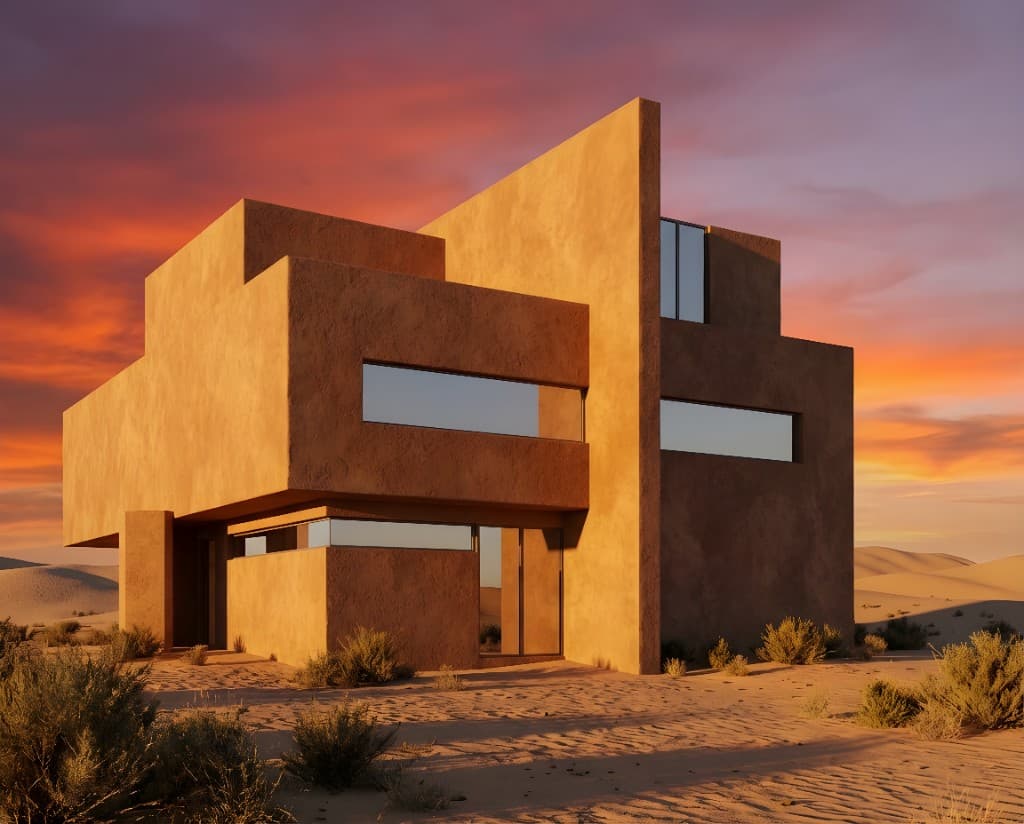
Mediterranean architecture features warm stucco walls, terracotta roofs, and arched openings
Rendering Tips:
Render Mediterranean homes in warm, golden light—late afternoon or sunset works beautifully. Emphasize the texture of stucco walls and the warmth of terracotta. Include lush landscaping with olive trees, bougainvillea, or cypress.
5. Industrial Architecture
Industrial style emerged from the conversion of old factories and warehouses into living spaces. It celebrates raw, unfinished elements and the beauty of utilitarian design, creating spaces with character and edge.
Key Characteristics:
- Exposed structural elements: Brick walls, ductwork, pipes, and beams
- High ceilings: Open, loft-like spaces with volume
- Metal accents: Steel, iron, and aluminum throughout
- Raw materials: Concrete floors, reclaimed wood, weathered metals
- Large windows: Often factory-style with metal frames
- Open floor plans: Minimal walls, flexible spaces
Industrial design celebrates raw materials and exposed structural elements
6. Minimalist Design
Minimalism takes the "less is more" philosophy to its logical conclusion. Influenced by Japanese aesthetics and the De Stijl movement, minimalist architecture strips away everything non-essential to create serene, contemplative spaces.
Key Characteristics:
- Monochromatic palettes: White, black, and gray dominate
- Hidden storage: Clutter-free surfaces with concealed functionality
- Simple geometry: Clean rectangles and squares
- Quality over quantity: Few, carefully chosen furnishings
- Negative space: Empty areas are intentional design elements
- Seamless surfaces: Flush doors, hidden hardware, continuous materials
Minimalist design creates calm through simplicity and intentional emptiness
7. Craftsman Style
The Craftsman style emerged in the early 1900s as a reaction against mass-produced Victorian excess. It celebrates handcrafted details, natural materials, and honest construction—values that remain appealing today.
Key Characteristics:
- Low-pitched roofs: Often gabled with wide eaves
- Covered porches: Supported by tapered columns on stone bases
- Natural materials: Wood siding, stone, and brick
- Built-in furniture: Window seats, bookcases, and cabinetry
- Exposed rafters: Visible structural elements under eaves
- Handcrafted details: Woodwork, tile, and metalwork
Craftsman homes feature natural materials, covered porches, and handcrafted details
8. Mid-Century Modern
Mid-Century Modern (roughly 1945-1969) represents post-war optimism and the embrace of new materials and technologies. Architects like Eero Saarinen, Richard Neutra, and Charles and Ray Eames created designs that remain influential today.
Key Characteristics:
- Integration with nature: Large windows and indoor-outdoor flow
- Organic and geometric forms: Curved furniture, angular architecture
- New materials: Plywood, plastic, fiberglass, and aluminum
- Bold colors: Orange, turquoise, yellow, and olive green accents
- Post-and-beam construction: Exposed structural elements
- Split-level designs: Multiple levels creating visual interest
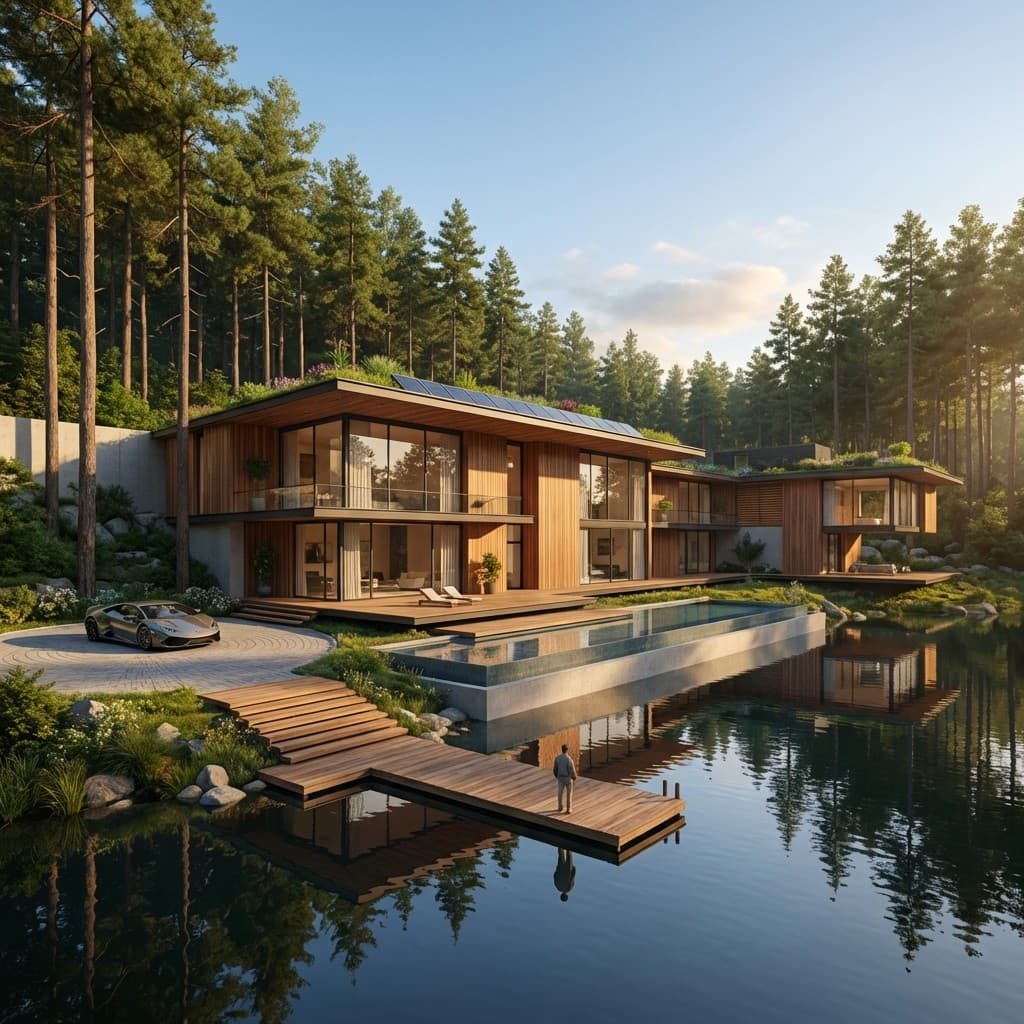
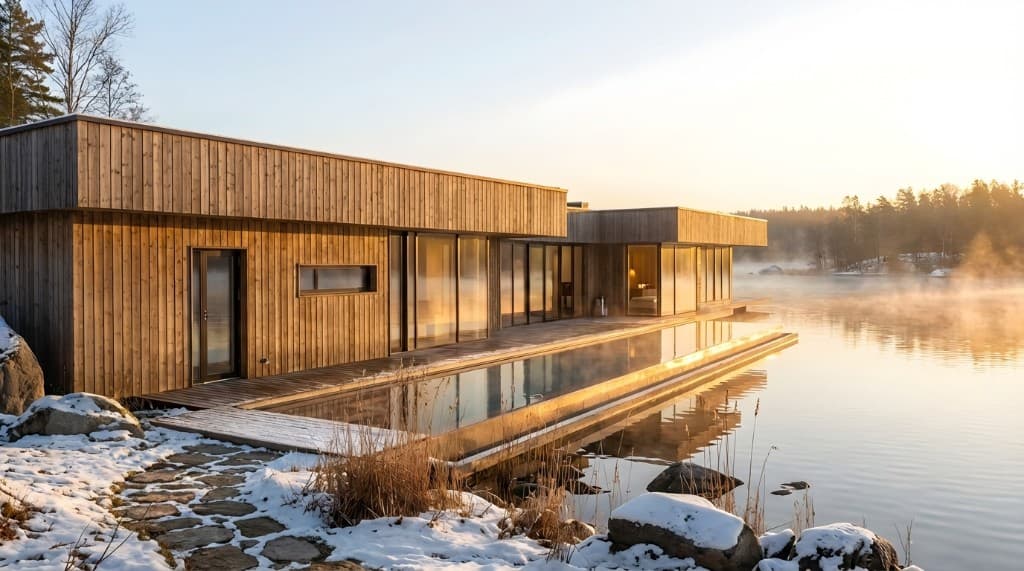
Mid-Century Modern emphasizes connection to nature and bold, optimistic design
Rendering Different Architectural Styles with AI
Understanding architectural styles is essential for creating accurate, compelling renders. With AI tools like Rendershop, you can quickly visualize designs in any style by using the right prompts and references.
Tips for Style-Accurate Renders:
- 1
Be specific in your prompts
Instead of "modern house," try "minimalist modern home with floor-to-ceiling glass, flat roof, and white stucco exterior"
- 2
Include material callouts
Mention specific materials: "exposed brick," "weathered cedar siding," "polished concrete floors"
- 3
Set the mood with lighting
Specify time of day and atmosphere: "golden hour," "overcast morning," "dramatic sunset"
- 4
Add contextual elements
Include landscaping and surroundings that match the style: "desert landscaping," "mature oak trees," "urban streetscape"
Style Gallery: AI-Rendered Examples
Here's a collection of architectural styles rendered with Rendershop, demonstrating the range of possibilities:
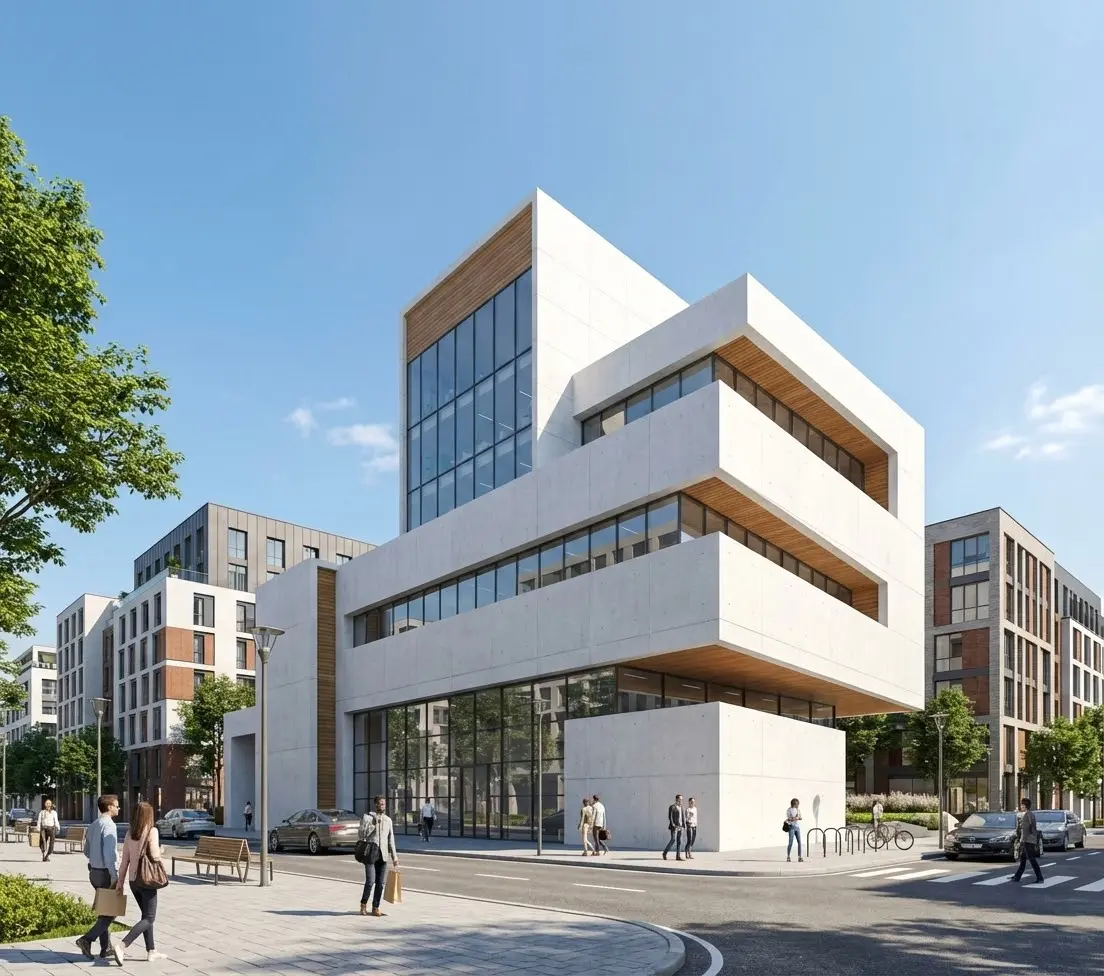
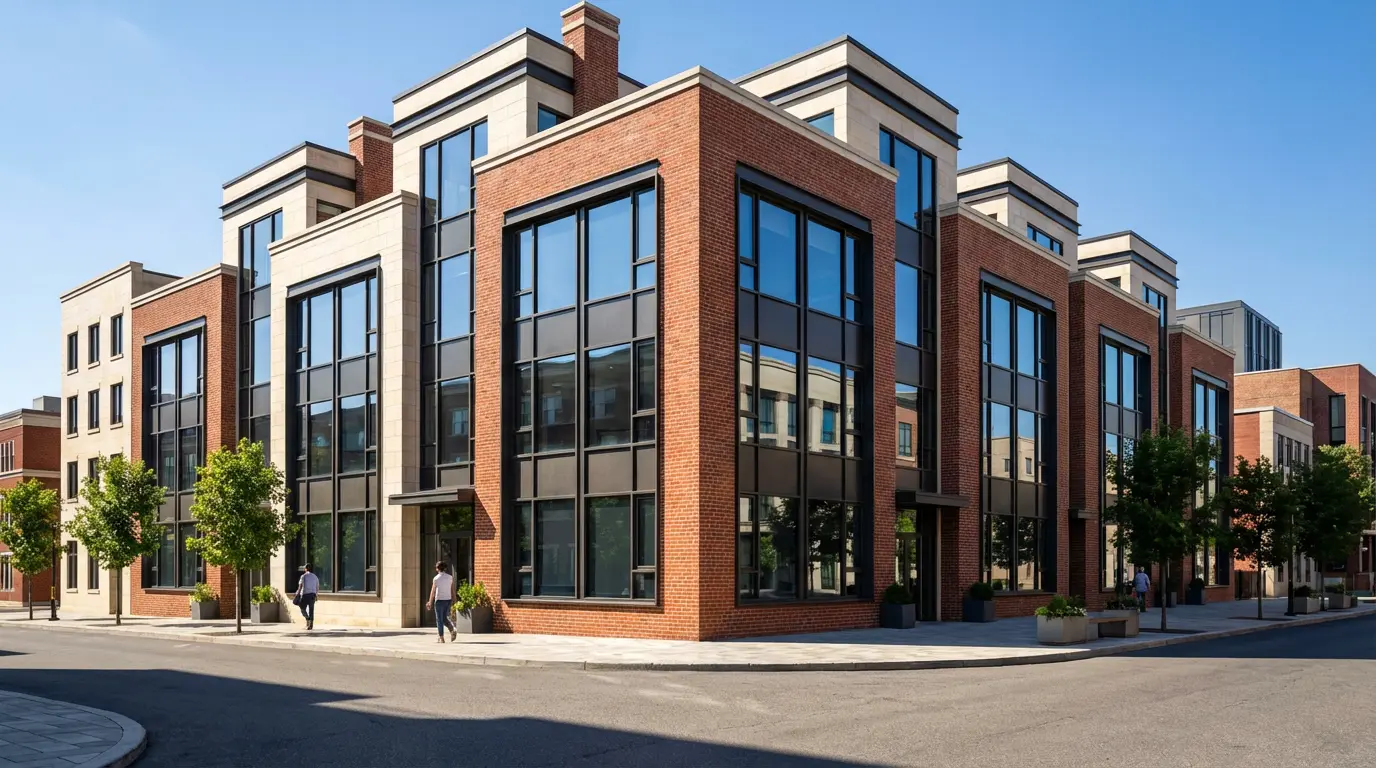
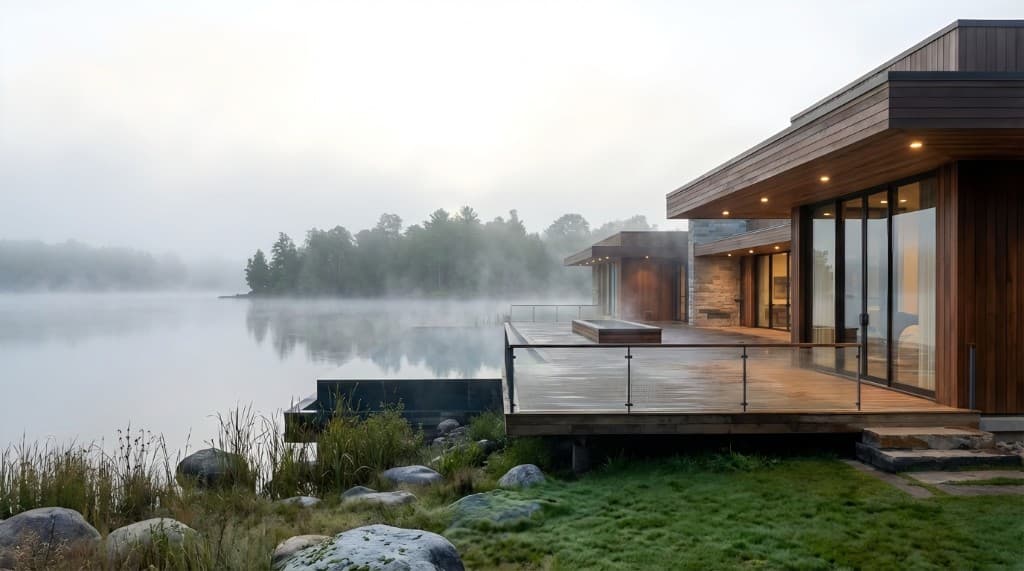
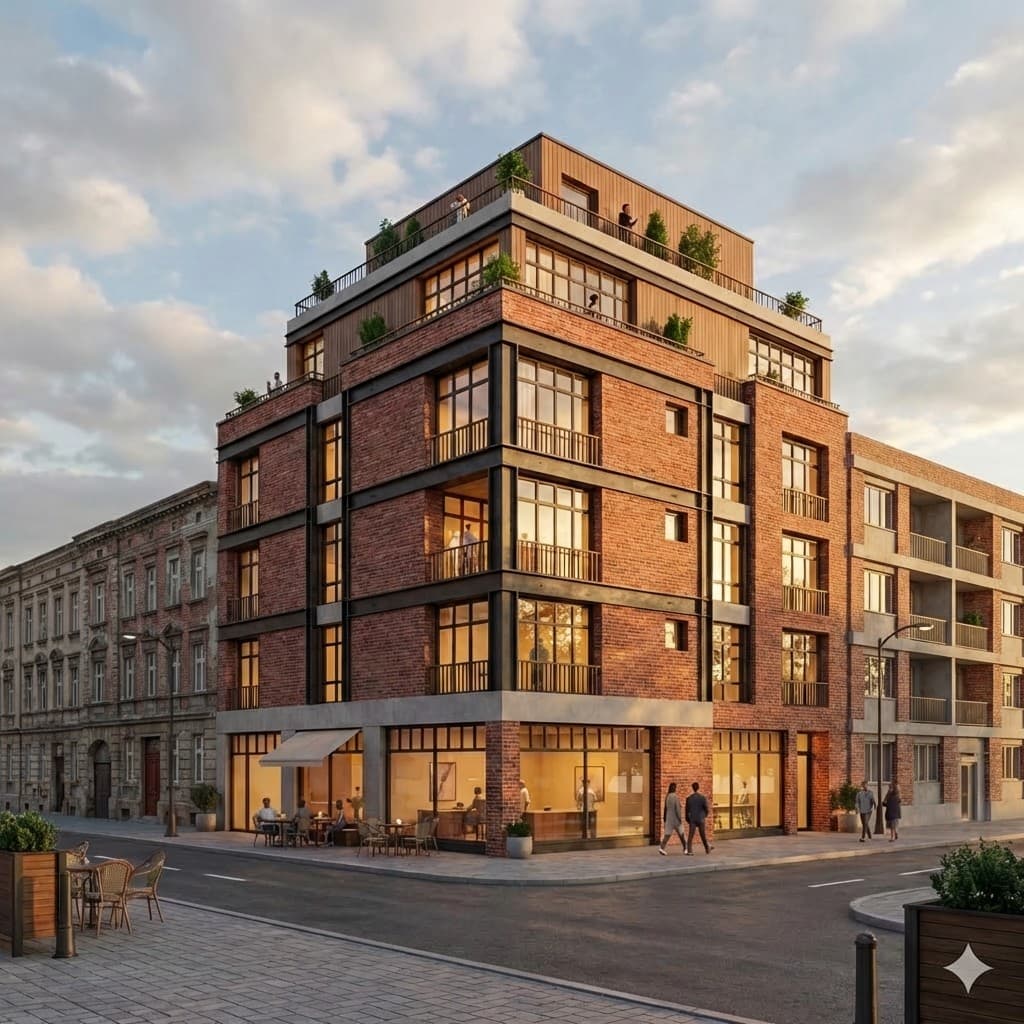
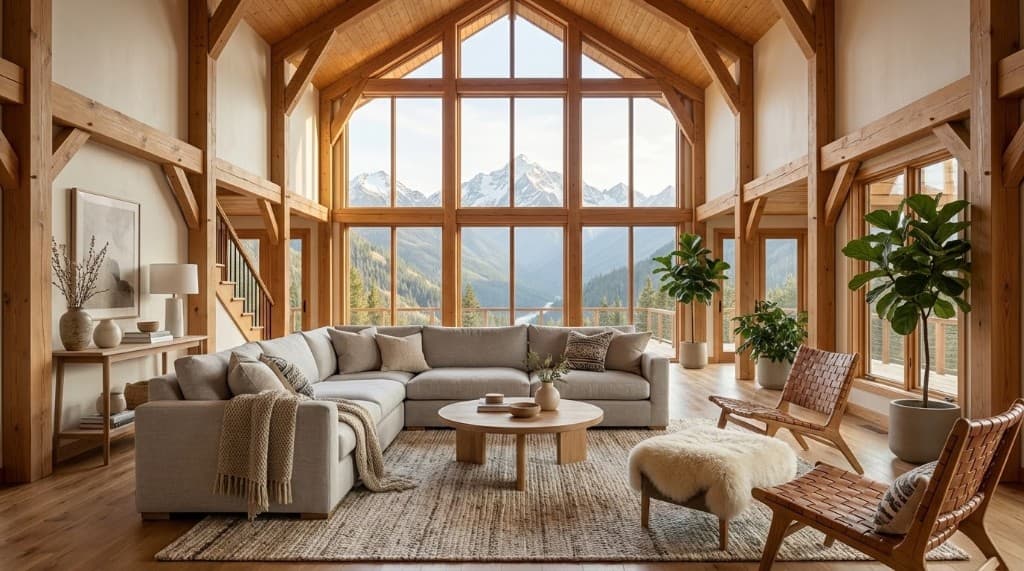
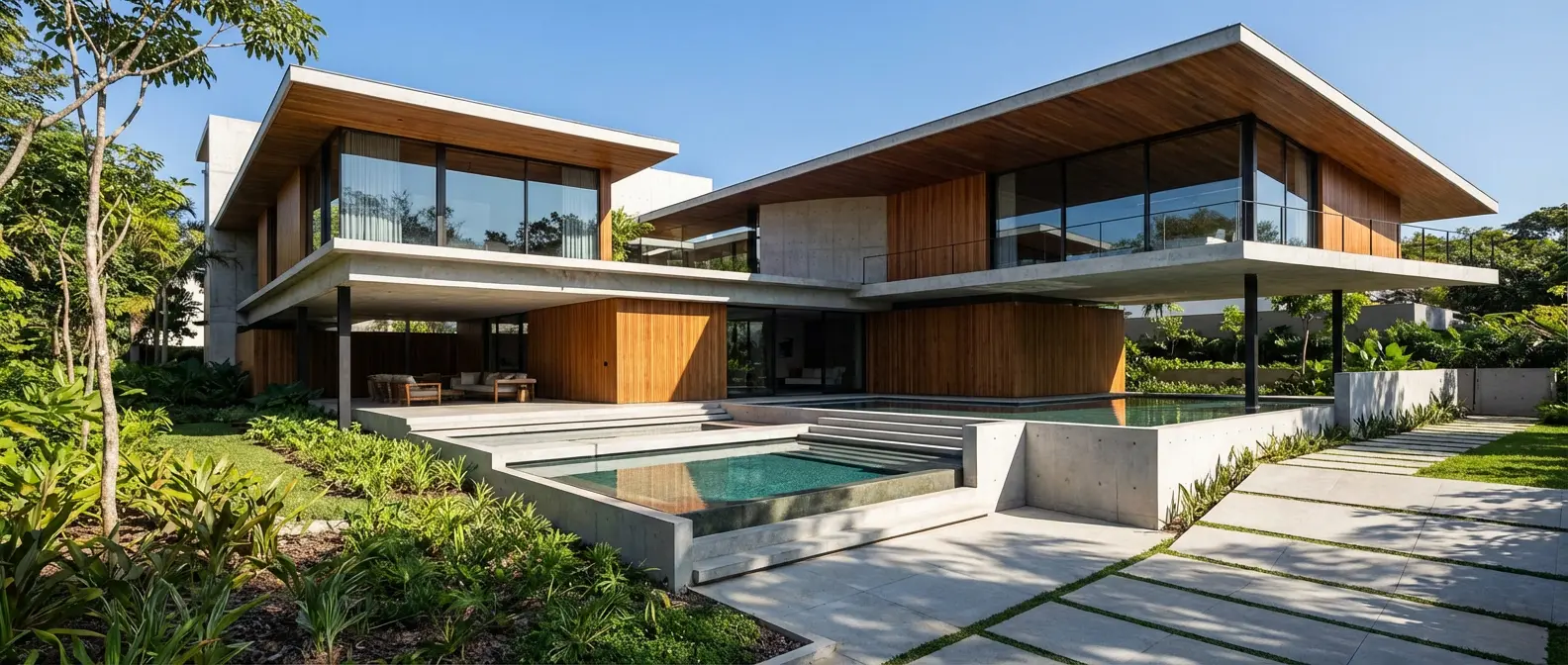
Various architectural styles rendered with Rendershop
Finding Your Architectural Voice
Architectural styles aren't rigid categories—they're starting points for creative exploration. The best designs often blend elements from multiple styles, creating something unique that responds to specific site conditions, client needs, and cultural context.
Whether you're drawn to the clean lines of modernism, the warmth of Scandinavian design, or the character of industrial spaces, understanding these foundational styles gives you a vocabulary to communicate your vision effectively.
With AI rendering tools like Rendershop, exploring different styles has never been easier. Generate multiple variations, experiment with materials and lighting, and find the perfect expression for your design—all in minutes rather than hours.
Explore Every Style with AI
Create stunning renders in any architectural style. Start with 50 free credits—no credit card required.
— The Rendershop Team