If you're planning a building project — or if you're an architect setting your own rates — one of the first questions that comes up is: how much does this actually cost? And the answer depends heavily on whether you're working on a residential or commercial project.
Residential and commercial architecture operate in different worlds when it comes to pricing. The fee structures, complexity factors, regulatory requirements, and client expectations are all different. This guide breaks down exactly how fees are calculated in both sectors, what drives the differences, and where the hidden costs tend to show up.
What Determines Architectural Fees?
Before diving into the residential vs. commercial comparison, it helps to understand the three main factors that drive architectural fees regardless of project type.
1. Project Type and Complexity
The architecture industry classifies projects into complexity groups ranging from Group 1 (the simplest) to Group 5 (the most demanding). A basic warehouse sits at one end; a hospital or performing arts center sits at the other. The more complex the building, the higher the fee — because more detailed drawings, more coordination with engineers, and more regulatory compliance is required.
For residential work, a simple tract home is Group 1 territory, while a custom luxury residence with complex structural systems, smart home integration, and unusual site conditions pushes into Group 3 or 4.
2. New Construction vs. Renovation
Renovations are almost always more expensive per dollar of construction cost than new builds. Why? Because the architect has to document existing conditions, work around structural constraints, navigate code compliance for existing buildings, and coordinate with demolition and phasing plans. This additional effort typically adds 2% to 5% to the standard fee percentage.
A key cost driver in renovation projects is "Record Drawings" — detailed field measurements of the existing building that get converted into digital drawings. These are billed at hourly rates and can represent a significant cost before design even begins.
3. Additional Services
Beyond core design and documentation, architects offer additional services that can significantly impact total cost: interior design, landscape architecture, 3D visualization, sustainability consulting (LEED, Passive House), and construction administration. Each adds value — but also adds to the bill.
Pro tip:
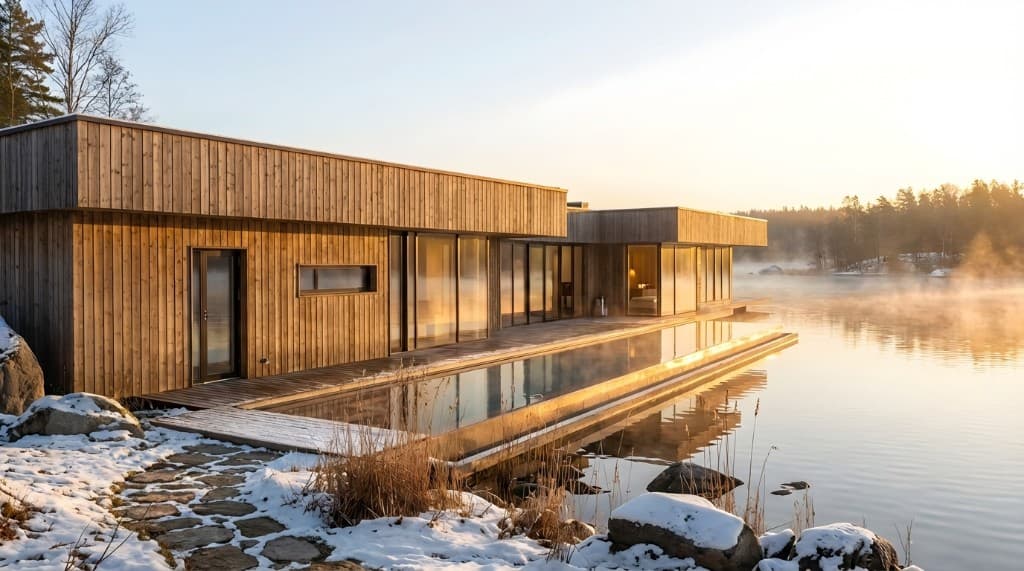
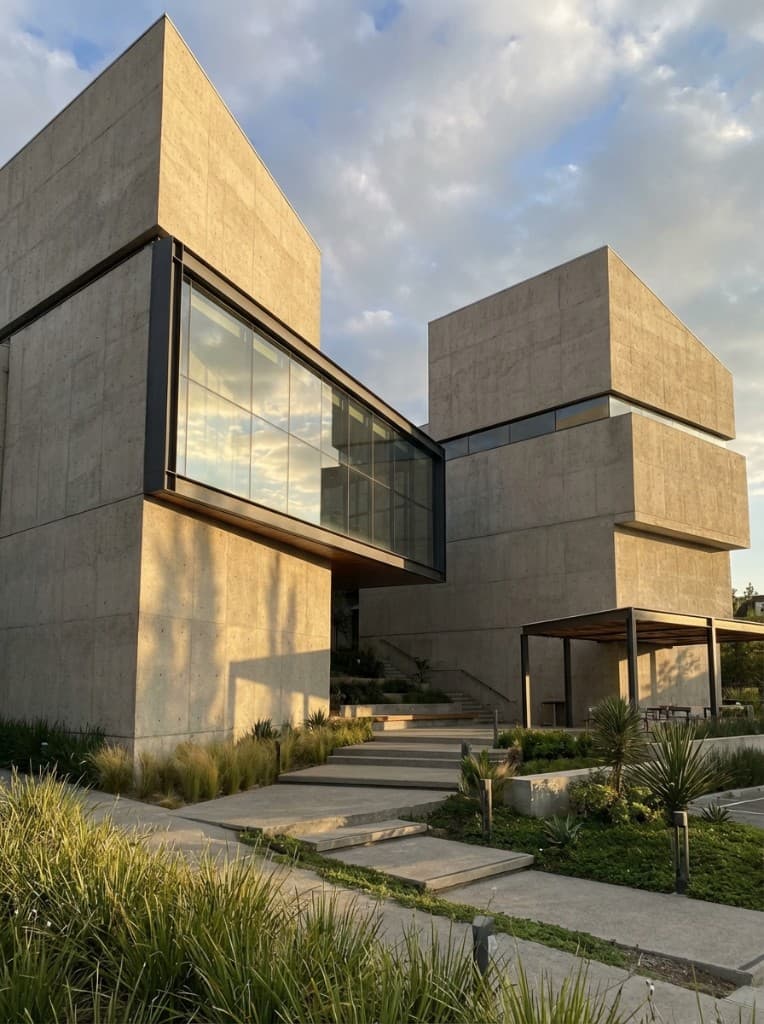
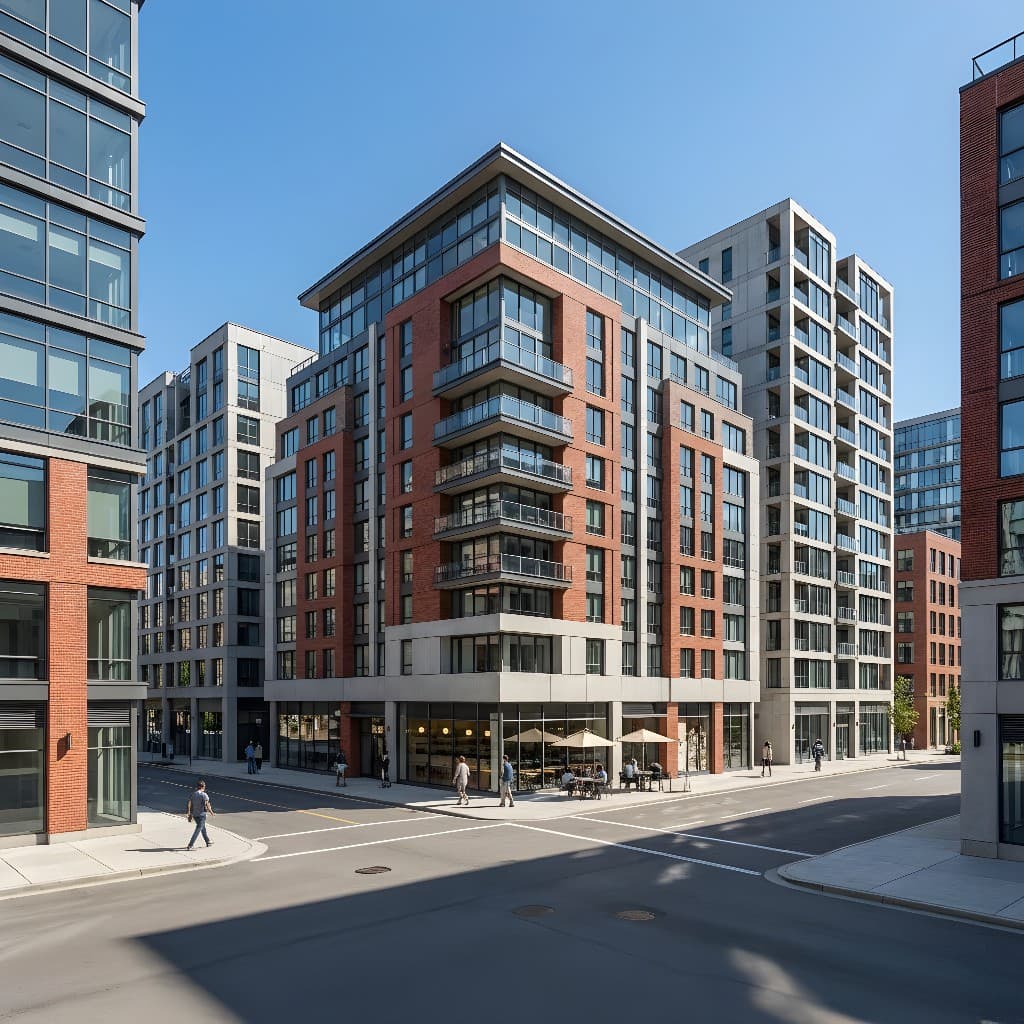
One of the most expensive "additional services" in traditional architecture is photorealistic rendering — often $1,500–$5,000 per image from a visualization studio. AI rendering tools like Rendershop can produce comparable results for a fraction of the cost, making high-quality visualization accessible for projects of any budget.
The Fee Breakdown: Residential vs Commercial
Here's how architectural fees typically break down by project type, expressed as a percentage of total construction cost:
Notice the pattern: residential projects command the highest fee percentages, while industrial projects sit at the bottom. This isn't because residential work is "harder" in absolute terms — it's because the construction budgets are smaller, so the percentage needs to be higher for the architect to cover their time.
Alternative Fee Structures: Per Square Foot and Hourly
Percentage-of-construction-cost is the most common fee model, but it's not the only one. Here are the other ways architects price their work:
Per Square Foot
For larger projects — especially commercial work — architects often charge $2 to $10 per square foot. This model is popular because it gives clients a clear, predictable budget tied directly to the building size. A 10,000 sq ft office building at $5/sq ft would mean $50,000 in architectural fees.
The per-square-foot rate varies based on complexity: a simple shell-and-core office is closer to $2–$4/sq ft, while a detailed medical facility or high-end restaurant might hit $8–$10/sq ft.
Hourly Rates
Hourly billing is most common for additional services, consultation work, and renovation projects where scope is hard to predict upfront. Typical rates:
- Principal / senior architect: $150 – $350/hour
- Project architect: $100 – $200/hour
- Junior architect / designer: $60 – $120/hour
- Drafting / CAD technician: $45 – $90/hour
Fixed Fee
Some architects offer fixed-fee proposals for well-defined scopes of work. This is increasingly common for residential projects where the program is clear upfront. Fixed fees give clients budget certainty, but they typically include fewer revision rounds.
Residential Architecture Fees: What to Expect
Residential architecture fees are higher as a percentage because the projects are smaller in scale but require just as much (or more) attention to detail. A custom home client expects the architect to care about every cabinet pull and light fixture — a level of detail that commercial clients often delegate to interior designers or contractors.
For a complete residential project, clients should expect architectural services to include five tiers:
- Schematic Design (15% of fee): Initial concepts, massing studies, and floor plan options. This is where the big ideas take shape.
- Design Development (20% of fee): Refining the chosen concept — materials, systems, and spatial relationships are defined.
- Construction Documents (40% of fee): The detailed drawings and specifications that contractors use to build. This is the most labor-intensive phase.
- Bidding & Negotiation (5% of fee): Helping the client select a contractor and negotiate the construction contract.
- Construction Administration (20% of fee): Site visits, responding to contractor questions, reviewing submittals, and ensuring the building is built as designed.
Important:
Many homeowners try to save money by only hiring an architect through Tier 3 (Construction Documents) and skipping Construction Administration. This is often a false economy — without an architect reviewing the work on site, costly mistakes and deviations from the design are far more likely.
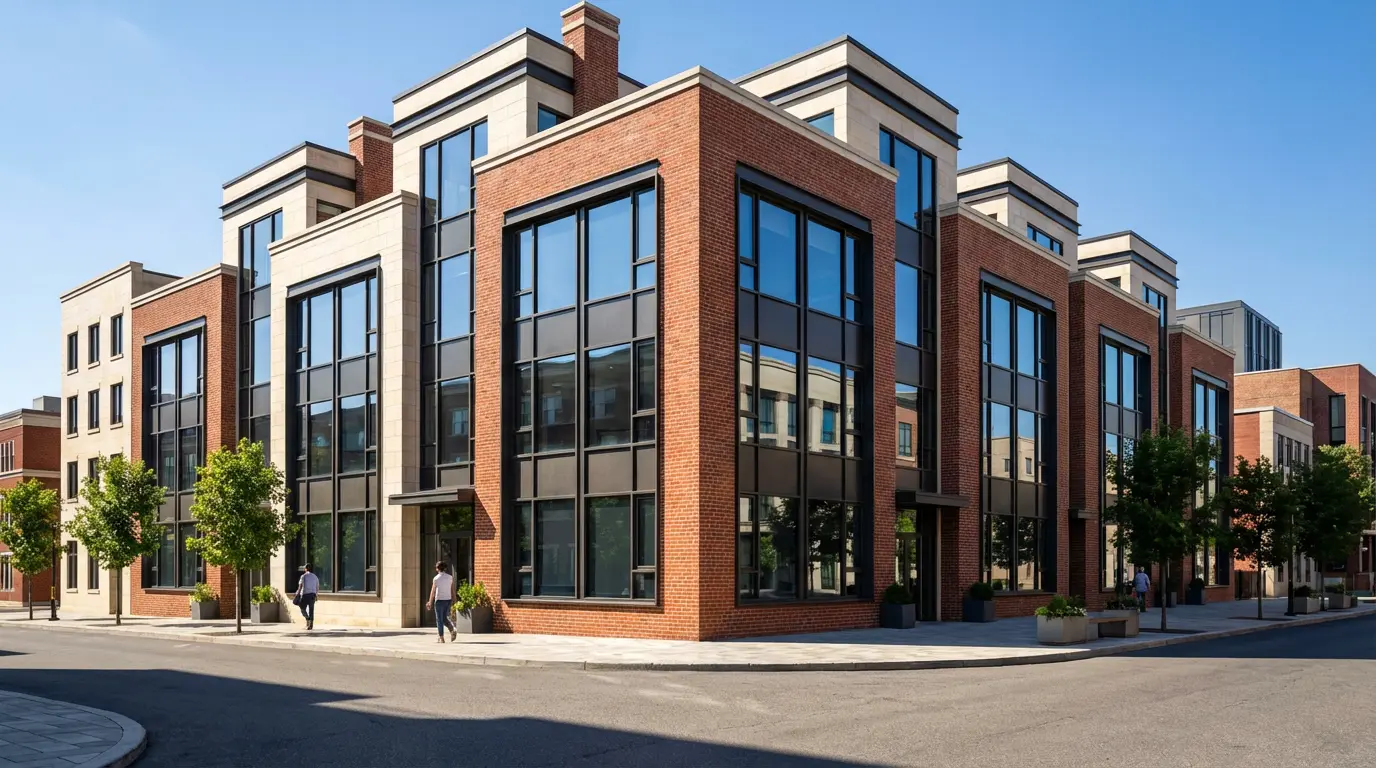
A custom residential rendering generated with Rendershop — helping architects communicate design intent to clients
Commercial Architecture Fees: What to Expect
Commercial architecture traditionally starts at around 6% of construction costs, but this baseline can climb to 8% or higher depending on project complexity. A straightforward retail build-out is on the low end; a hospital, data center, or mixed-use high-rise is on the high end.
Key factors that push commercial fees higher:
- Regulatory complexity: Zoning approvals, environmental reviews, ADA compliance, fire code analysis, and historic preservation requirements all add scope.
- Multi-discipline coordination: Commercial projects involve structural, MEP, civil, landscape, and often specialty consultants — all coordinated by the architect.
- Stakeholder management: Commercial clients often have committees, boards, and multiple decision-makers. More presentations means more design iterations.
- Specialized building systems: HVAC for a server room, commercial kitchen exhaust, or clean room requirements add design complexity that residential projects rarely encounter.
One advantage of commercial work: electronic drawings from previous tenants or the building's original construction are more commonly available, which can reduce the cost of Record Drawings during renovation projects. Residential projects rarely have this benefit — most homeowners don't have digital copies of their original blueprints.
Side-by-Side: Residential vs Commercial Fees
How to Reduce Architecture Costs Without Cutting Corners
Whether you're a client trying to manage your budget or an architect trying to deliver more value, there are practical ways to reduce costs without sacrificing design quality:
- Define your scope early: The clearest way to control fees is to have a well-defined program before design begins. Scope creep is the number one cost driver.
- Use AI rendering for early-stage visualization: Instead of paying $3,000+ for traditional renderings during schematic design, use Rendershop to generate photorealistic concepts in seconds for a fraction of the cost.
- Provide existing documentation: If you have surveys, previous drawings, or photos, share them upfront. Less discovery work means lower fees.
- Limit revision rounds: Decide on a design direction and commit. Endless redesigns are the most common reason projects go over budget on architectural fees.
- Don't skip construction administration: It seems like a cost savings, but the mistakes that slip through without an architect on site almost always cost more to fix.
Frequently Asked Questions
How are architectural fees typically calculated?
Most commonly as a percentage of total construction cost — typically 6.5%–12% for residential and 4.5%–10% for commercial. Larger projects may use a per-square-foot model ($2–$10/sq ft), and additional services are usually billed hourly.
Why are residential fees higher than commercial?
Residential projects have smaller construction budgets, so the percentage needs to be higher for the architect to cover the time required. Custom homes also tend to involve more design detail and more direct client interaction per dollar of construction.
How much do renovations add to architectural fees?
Renovations typically add 2%–5% to the base fee percentage because of the additional work involved: documenting existing conditions, creating Record Drawings, and navigating code compliance for existing structures.
What are Record Drawings and why do they cost extra?
Record Drawings are detailed measured drawings of an existing building, created from field measurements. They're necessary for renovation projects so the architect has accurate base plans to work from. They're billed at hourly rates and can add thousands to project costs — especially for residential projects where previous drawings rarely exist digitally.
How can I reduce rendering costs during the design process?
AI rendering tools like Rendershop can generate photorealistic architectural visualizations in seconds for a fraction of what traditional rendering studios charge. This is especially valuable during schematic design when you need to explore multiple options quickly.
Cut Your Rendering Costs by 90%
Whether you're a residential architect or a commercial firm, Rendershop generates photorealistic renderings in seconds — not weeks. Start free with 50 credits.
— The Rendershop Team