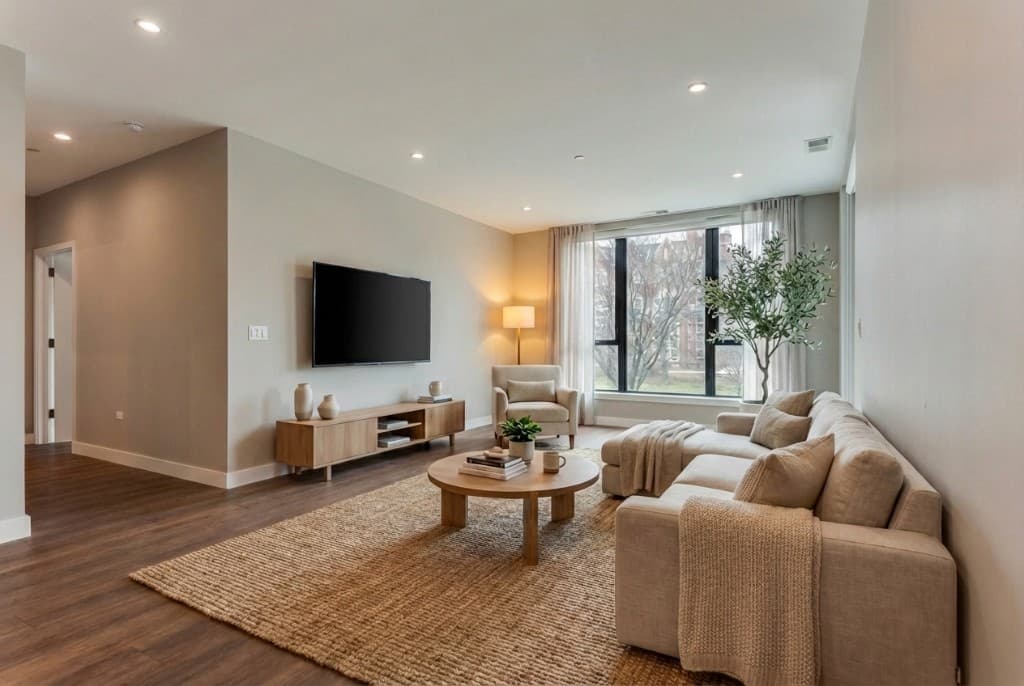
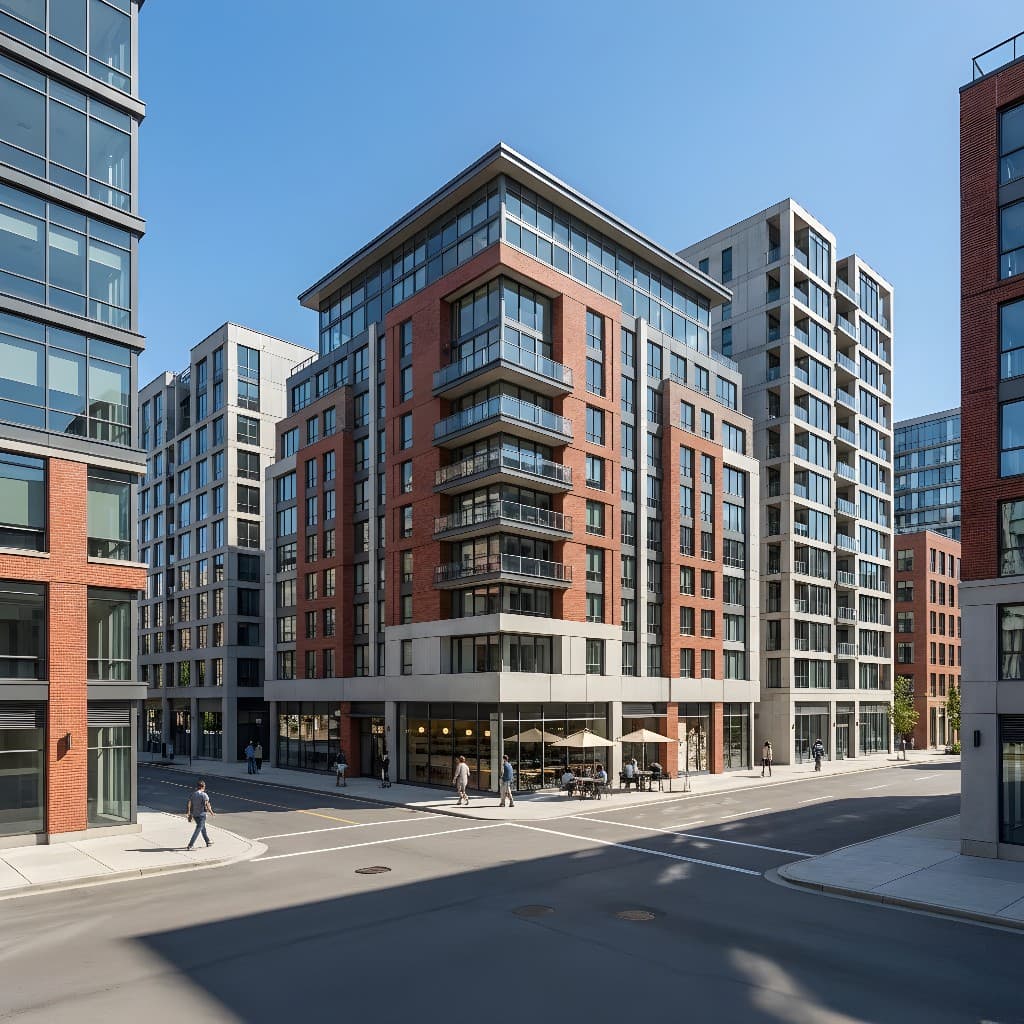
Ask any leasing director what closes a tour, and amenities are almost always on the list — the pool deck, the co-working lounge, the dog run, the rooftop with skyline views. The problem is timing: amenities are typically the last phase of construction to finish, which means the units that lean on them hardest to justify rent premiums are the ones with the least to show during pre-leasing. AI rendering closes that gap by turning site plans, architectural elevations, and construction-phase photos into photorealistic images of the finished amenity spaces, months before a tile is laid.
This guide covers how multifamily developers, property management companies, and leasing teams are using AI rendering across the amenity marketing lifecycle — from initial capital-raise pitch decks through pre-leasing campaigns to post-completion refreshes for renewal season.
Why Amenities Are the Hardest Thing to Market Early
Unit interiors can be marketed with a model unit or a handful of finish photos well before the whole building is done. Amenities don't have that shortcut — there's no "model pool" or "sample rooftop lounge" to walk a prospect through. Until the clubhouse is framed, tiled, furnished, and landscaped, leasing teams are stuck describing it in a bullet list: "resort-style pool, 24-hour fitness center, resident lounge with co-working space." Text doesn't rent units. A photorealistic image of what that space will look like does.
This creates a real revenue problem for developers. Pre-leasing velocity in the first 90 days heavily influences a property's stabilization timeline and, in turn, its valuation. Amenity-driven rent premiums — the extra $50–$200/month a unit commands because it's near a rooftop deck or has access to a resident lounge — are hardest to justify to a prospect who can't picture the space at all.
What AI Rendering Actually Does Here
The workflow is the same core idea used across Rendershop's architectural rendering tools, applied to amenity spaces specifically:
- Architectural plans or elevations → photoreal renders: Upload the pool deck plan, clubhouse elevation, or rooftop concept sketch and get a photorealistic exterior or interior render back in minutes.
- Construction-phase photos → finished-space visualizations: Take a photo of the framed, unfinished amenity space and use AI to visualize it complete — tile, furniture, landscaping, lighting, and all.
- Style variations: Generate the same clubhouse or lounge in two or three finish palettes to test which resonates with the target renter demographic before finishes are locked in.
- Day and twilight versions: Rooftop decks and pool areas market especially well at twilight — warm lighting, string lights, and a skyline glow consistently outperform flat daytime shots in ad engagement.
Where This Fits in the Development & Leasing Timeline
Capital Raise & Investor Pitch Decks
Long before construction starts, developers use amenity renders in offering memoranda and investor presentations to justify projected rent premiums. A rendered rooftop lounge next to a comparable rent roll makes the underwriting assumptions tangible in a way a floor plan alone can't.
Pre-Leasing Campaigns (6–12 Months Out)
This is where amenity renders do the most work. Leasing websites, ILS listings (Apartments.com, Zillow Rentals), and paid social campaigns all perform better with photorealistic amenity imagery than with construction photos or generic stock images. Prospects touring a partially finished building can also be shown a tablet or printed render of the amenity space they're walking past mid-construction, closing the imagination gap during the tour itself.
Grand Opening & Stabilization Push
As the amenity nears completion, renders can be refreshed to match the actual finish selections, giving marketing a consistent, accurate image library to use right up until real photography is possible.
Renewal Season & Amenity Refresh Announcements
For stabilized properties planning a capital improvement — a pool deck renovation, a new co-working lounge, a dog run addition — AI rendering lets property managers show current residents what's coming, supporting renewal conversations and rent increases tied to the upgrade.
Which Amenities Benefit Most
| Amenity | Why It Renders Well | Best Time of Day |
|---|---|---|
| Resort-style pool | Water, loungers, and landscaping create strong visual appeal | Late afternoon / twilight |
| Rooftop lounge / deck | Skyline views and string lighting drive high engagement | Twilight |
| Resident clubhouse | Furnishing and finish detail sells the lifestyle, not just the space | Daytime, warm interior lighting |
| Co-working / business lounge | Appeals directly to remote-work renters, a growing lease driver | Daytime |
| Fitness center | Equipment layout and mirrors read clearly in renders | Daytime |
| Pet spa / dog run | Growing renter priority; renders well as a differentiator amenity | Daytime |
Cost & Speed Compared to Traditional Marketing Renders
Traditional 3D visualization firms are the standard way developers have historically produced amenity marketing imagery, and they still make sense for hero shots on a flagship property. But turnaround is typically 1–3 weeks per image, at $500–$2,000 per rendered scene, and revisions mean another round-trip with the studio. For a mid-size community with six or eight distinct amenity spaces — each needing a daytime and twilight version, plus revisions once finishes are selected — that adds up fast in both cost and calendar time.
AI rendering compresses that to minutes per image at a small fraction of the cost, which matters most when amenity finishes aren't locked yet and marketing needs to iterate. Many teams use a hybrid approach: AI renders for the bulk of pre-leasing marketing and quick finish-option comparisons, with a traditional studio reserved for the single best hero image used on the leasing website homepage and signage.
A Practical Workflow for Leasing & Marketing Teams
- Gather your source material. Architectural elevations, amenity floor plans, or in-progress construction photos of the space in question.
- Generate a base render matching the intended finish package — pool tile color, lounge furniture style, landscaping.
- Produce a twilight version for social ads and hero banners, alongside the daytime version for the leasing website gallery.
- Test two finish variations if the finish package isn't finalized — this is far cheaper to do with AI renders than with a traditional studio, and can inform the actual design decision.
- Refresh the render once real finishes are selected, so marketing always reflects the current design intent rather than an early concept.
Frequently Asked Questions
Can AI rendering work from just a floor plan or elevation, with no photo?
Yes. Rendershop can generate a photorealistic amenity render directly from an architectural elevation, site plan, or even a hand sketch of the space — a real photo isn't required, though one of the partially built space (if available) tends to produce the most accurate result.
How accurate are AI amenity renders compared to the final built space?
Renders generated from actual architectural plans and specified finishes are typically very close to the final result in layout and proportion. As with any pre-construction marketing image, it's good practice to label renders as illustrative and update them once final finishes are selected.
Do we need separate renders for each amenity, or can one image cover the whole community?
Most successful campaigns use a dedicated render per amenity — pool, clubhouse, rooftop, fitness center — since each appeals to a different renter priority and performs differently across ILS listings, social ads, and the leasing website.
Is AI rendering suitable for institutional investor presentations, or only consumer marketing?
Both. Many developers use the same renders in investor decks and offering memoranda to support rent-premium assumptions, then repurpose them for pre-leasing marketing once the deal is underwritten — no need to commission two separate image sets.
How much does AI amenity rendering cost compared to a traditional visualization studio?
A traditional studio typically charges $500–$2,000 per scene with 1–3 week turnaround. AI rendering produces a comparable base image in minutes for a small fraction of that cost, making it practical to generate multiple amenities, angles, and finish variations within a single marketing budget.
The Bottom Line
Amenities sell leases, but they're usually invisible for most of a community's pre-leasing window. AI rendering closes that gap — turning plans, elevations, and construction-phase photos into the photorealistic pool decks, clubhouses, and rooftop lounges that give prospects a reason to sign before the amenity is finished. For developers and property managers running pre-leasing campaigns on a real calendar, it's the fastest way to market a space that doesn't exist yet.
To see how the same underlying rendering technology applies to pre-construction sales more broadly, read our guide to pre-construction marketing renders, or check our pricing page to get started.
Market Your Amenities Before They're Built
Upload a plan, elevation, or construction photo and get a photorealistic amenity render back in minutes. Try Rendershop free — no credit card required.
— The Rendershop Team